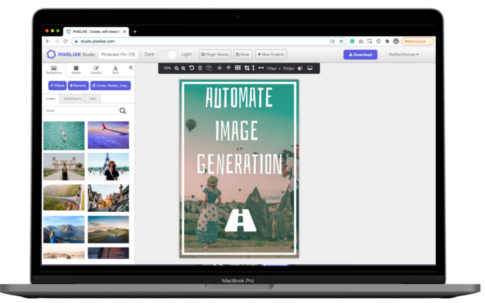
Create captioned images for Instagram, blog posts, tutorials, product explainers, testimonials, event visuals, or branded marketing content. Upload a photo, write the caption, and export a polished graphic directly from your browser.
Captions help explain what people are seeing, highlight a key message, and guide the viewer toward the point of the image. They are useful for social media posts, tutorials, before-and-after visuals, blog graphics, event photos, and product storytelling.
Pixelixe lets you add captions quickly while keeping control over font choice, spacing, alignment, color, contrast, and export quality. If you also need to add text to a photo, create a shorter quote image, or build richer social media graphics, the same Studio workflow works across all of them.
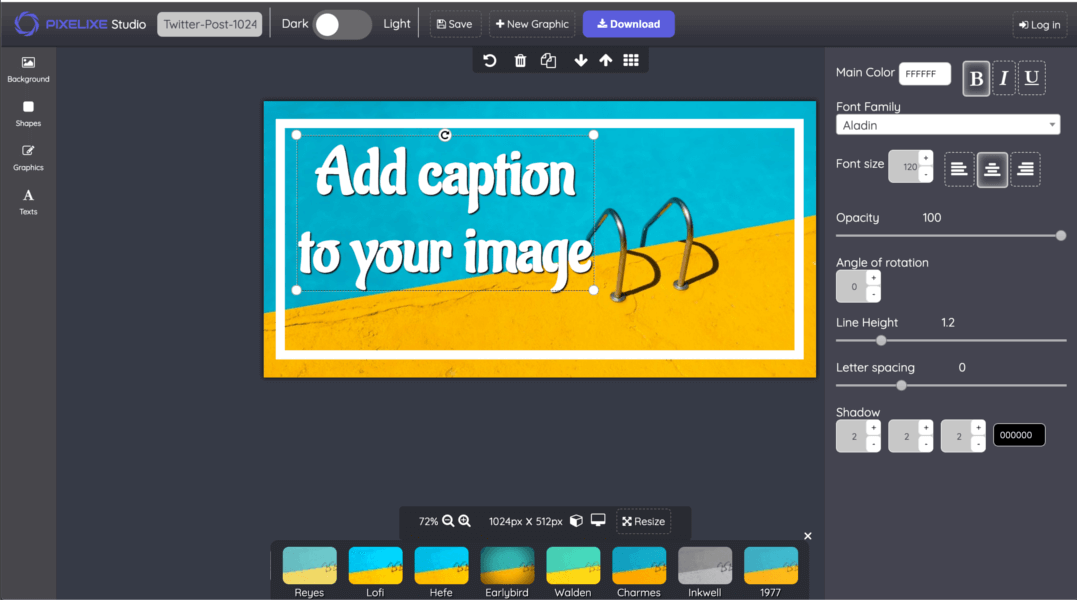
A good caption gives context without overwhelming the visual. It can explain what is happening in the image, highlight a key product detail, add a callout, summarize a step, or support a social message. That is why captioned images perform well in educational content, product marketing, tutorials, and branded content systems.
The goal is not just to place text on top of a photo. It is to make the message easier to understand at a glance, especially on mobile screens where people scan quickly. A clean caption can turn a generic image into a useful visual asset.
Here are a few practical rules for stronger captions:
Start with your own photo or a clean background that gives the caption enough space to breathe. A good base image makes the message easier to understand immediately.
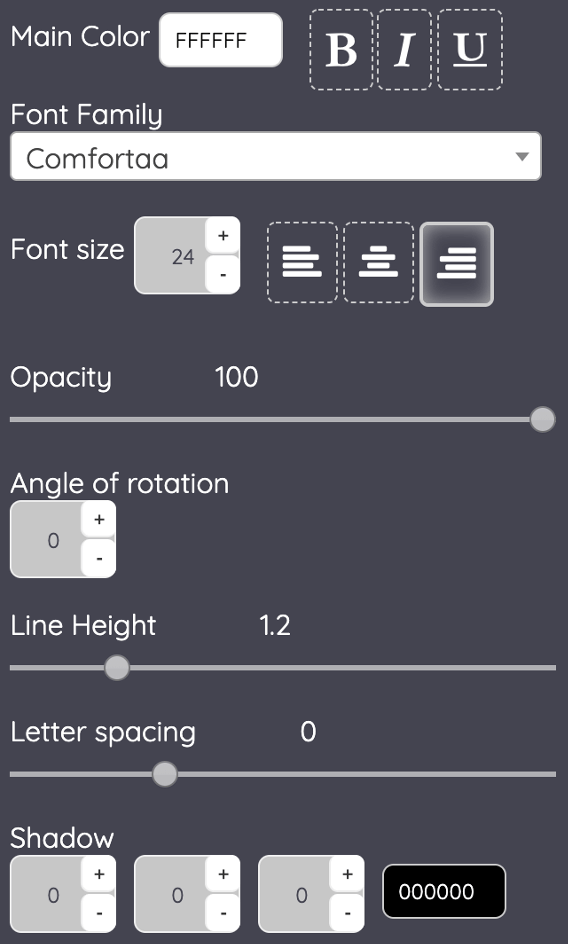
Add the caption, tune font size, line height, color, shadow, spacing, or background, and make sure the text stays readable. This is where you turn a plain photo into a clear, useful content asset.
Export the finished image for social media, a blog post, a product page, a tutorial, or a campaign. You can also reuse the same layout later to keep a consistent caption style across multiple visuals.
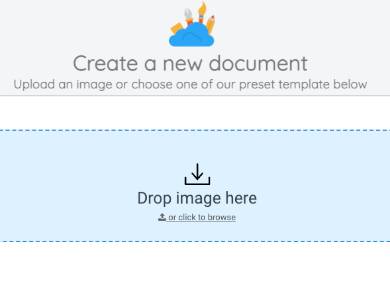
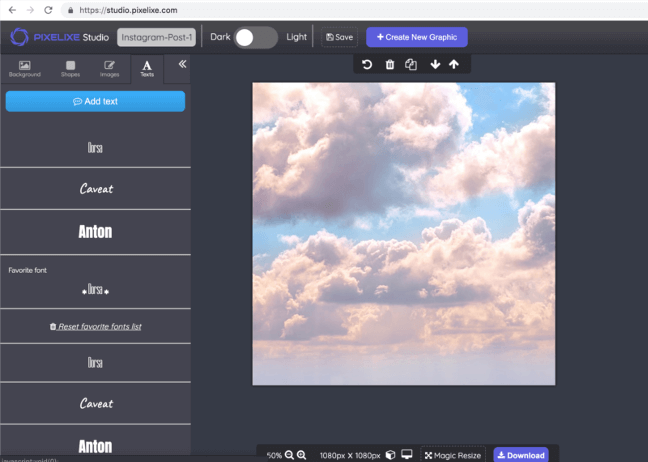
Open Pixelixe Studio and drop your image into the editor, or use a simple background if you want the caption to be the main focus. You can swap the visual later from the background controls, so it is easy to test which image gives the text the best contrast and composition.
If you publish a lot of content, it helps to keep a few reusable background styles ready for different content types, such as product explainers, tutorials, testimonials, or social posts.
Once the image is in place, add a text layer for the caption and edit the copy directly on the canvas. Then use the text settings to adjust font family, size, opacity, alignment, spacing, line height, or shadow until the message feels easy to read and visually balanced.
For better results, keep the caption concise, use a background overlay when needed, and leave enough breathing room around the text. That small amount of structure makes the final visual feel much more intentional.

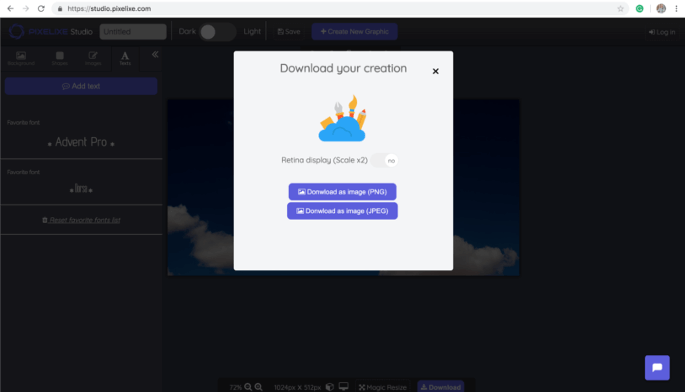
When the layout looks right, click the download button in the top-right corner of the editor and export the finished image. Your captioned visual is generated instantly, ready to publish on social media, add to an article, send to a client, or reuse as the basis for another design.
If you often produce the same type of visual, duplicate the design and update only the image or caption. That is the easiest way to maintain consistency across recurring content.
If you need to add captions to many images from structured data, use Pixelixe templates with the Image Automation API. It is a practical way to create recurring tutorial visuals, testimonials, product explainers, or campaign variants without editing every asset manually.
Open Pixelixe Studio, upload your image, add a text layer, write the caption, style it, and export the final visual. The whole workflow runs in the browser.
Yes. Pixelixe gives you font styling, colors, spacing, alignment, and export options without requiring desktop design software.
Captioned visuals are useful for social media posts, blog headers, tutorials, product explainers, event recap graphics, customer testimonials, and branded marketing content.
Yes. Pixelixe supports reusable templates and image automation workflows when you need to generate many captioned images from data or repeatable content inputs.