
Quick Answer / TL;DR: Modern marketing teams need more than image generation. They need a complete creative automation pipeline capable of producing branded visuals, campaign assets, personalized content, ecommerce graphics, and video derivatives at scale.
The most effective workflow combines:
- Template-based image generation
- Structured data
- Image Generation APIs
- AI-assisted creative production
- Dynamic banner generation
- Feed-driven automation
- Video extensions
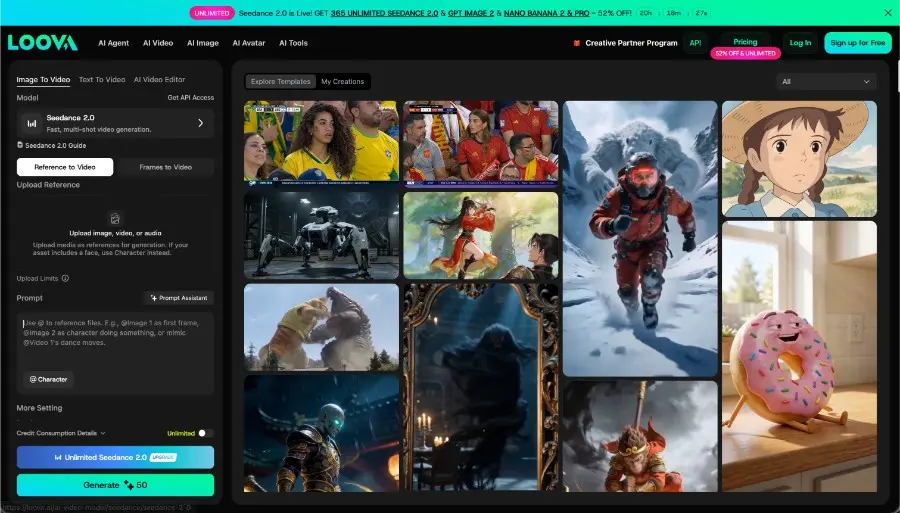
Platforms like Pixelixe help teams automate branded visual production, while tools such as Loova AI can extend those visuals into motion content through Text to video and Image to video workflows.
Why This Matters in 2026
Marketing teams are producing more assets than ever before.
A single campaign may require:
- Social media graphics
- Display banners
- Email hero images
- Ecommerce visuals
- Open Graph images
- Marketplace assets
- Landing page graphics
- Video variations
- Localized content
Creating every asset manually is no longer sustainable.
The organizations that scale successfully are building creative systems rather than producing individual designs.
The Rise of Visual Automation
Visual automation is the process of generating branded assets automatically from templates and structured data.
Instead of designing every variation manually, teams create reusable templates that can dynamically render:
- Product names
- Prices
- Discounts
- Images
- CTAs
- Languages
- Campaign variables
This approach dramatically reduces production bottlenecks while preserving brand consistency.
Why Template-Based Production Beats Random Generation
Prompt-based image generation is useful for ideation.
However, production marketing requires:
- Consistency
- Repeatability
- Governance
- Accuracy
A product banner must display the correct product.
A promotional graphic must show the correct price.
A localized asset must use the correct language.
Template-based generation provides predictable outputs while still supporting large-scale automation.
How Image Generation APIs Enable Scale
Image Generation APIs allow software systems and AI agents to create images programmatically.
Typical use cases include:
- Dynamic Open Graph images
- Ecommerce product banners
- Promotional campaigns
- Social media graphics
- Personalized email visuals
Instead of creating images manually, applications send structured data to rendering templates.
The result is faster production and lower operational costs.
AI Agents and Creative Production
AI agents are increasingly capable of:
- Creating content briefs
- Generating campaign copy
- Managing workflows
- Analyzing performance
However, agents need structured systems to create visuals reliably.
This is where JSON-to-image workflows become particularly valuable.
An AI agent can generate structured content and trigger a rendering API automatically.
JSON-to-Image Workflows
JSON-to-image generation converts structured data into graphics.
Example:
1 | { |
The rendering engine applies this content to an approved template and generates a finished visual.
This approach is especially useful for:
- Ecommerce
- SaaS products
- Marketplaces
- Email marketing
- Programmatic SEO
Extending Images into Video
Video production is becoming a natural extension of visual automation.
Many teams already create static campaign assets using Pixelixe and then repurpose them into motion formats.
For example:
- A product promotion banner can become a short social video.
- A blog featured image can become an animated teaser.
- A marketplace asset can become a product showcase clip.
Tools such as Loova AI help marketers explore these workflows without rebuilding assets from scratch.
Teams can start with a creative brief using Text to video workflows or transform existing campaign assets using Image to video technology.
Real-World Use Cases
Ecommerce Catalog Automation
Generate thousands of product visuals automatically from catalog feeds.
Dynamic Email Marketing
Create personalized hero images for different audience segments.
Programmatic Landing Pages
Generate unique visuals for thousands of pages automatically.
SaaS Platforms
Embed branded image creation directly into customer workflows.
Why Pixelixe Matters
Pixelixe provides the infrastructure required to scale branded visual production.
Key capabilities include:
- Image Generation API
- Template-based image generation
- JSON-to-image rendering
- Dynamic banner generation
- White-label editors
- Feed-driven visual automation
Instead of producing assets one by one, teams build reusable visual systems that scale automatically.
FAQ
What is creative automation?
Creative automation uses templates, structured data, and APIs to generate marketing assets at scale.
What is JSON-to-image generation?
JSON-to-image generation converts structured data into branded graphics automatically.
Why are image generation APIs important?
They allow software systems and AI agents to create visuals without manual design work.
How can AI agents create graphics?
AI agents generate structured content and trigger image generation workflows through APIs.
Can static images be converted into videos?
Yes. Modern workflows often use Text to video and Image to video systems to extend existing marketing assets into motion content.
Final Thoughts
The future of creative production is not manual asset creation.
It is the combination of:
- AI agents
- Structured data
- Templates
- Image Generation APIs
- Creative automation
- Video generation
Organizations that build scalable visual production systems today will be better positioned for the next generation of digital marketing.