
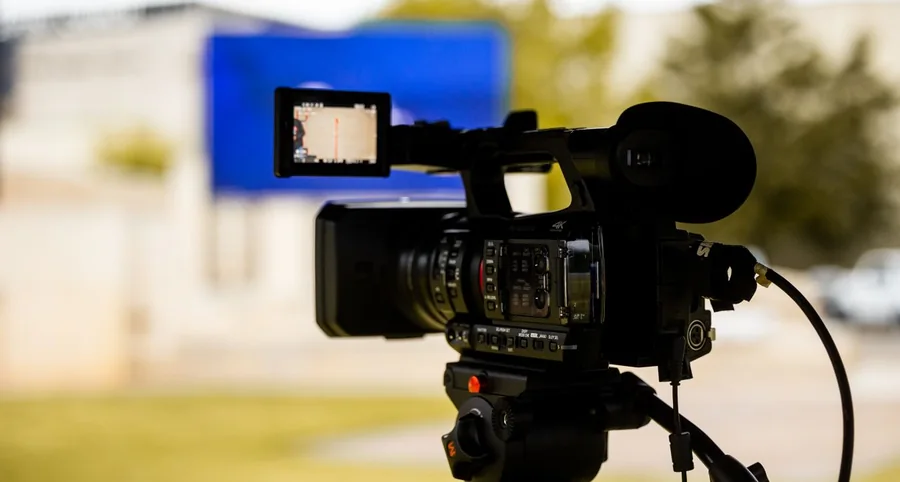
Creating fresh visual content for every marketing campaign can be expensive and time-consuming. Businesses regularly produce product photos, promotional videos, social media graphics, and other creative assets that often remain unused after their original campaigns end. Instead of starting from scratch, marketers can repurpose existing images and videos to reach new audiences, support different marketing channels, and extend the value of their content. With the help of AI-powered editing and design tools, older marketing materials can be updated and adapted for new purposes while maintaining a consistent brand identity.
AI editing tools make it easier to improve and reuse visual content that may no longer meet current marketing requirements. For example, an AI photo enhancer can help improve the clarity, sharpness, and overall appearance of older product images before they are used in new advertisements. Similarly, a video watermark remover can help businesses remove unwanted watermarks from videos they own or have permission to modify, making the footage more suitable for updated promotional campaigns. Platforms like Airbrush provide these editing capabilities, helping marketing teams prepare existing visual assets for different digital channels.
Why Repurposing Visual Content Matters for Marketing
Marketing teams often invest considerable resources in creating visual materials for product launches, seasonal promotions, and advertising campaigns. However, many of these assets are used only briefly before being replaced with new content.
Repurposing allows businesses to extend the usefulness of their existing creative materials. A product photo originally created for an online store can become part of a social media advertisement, while a longer promotional video can be divided into shorter clips for different platforms.
This approach can also support a more consistent publishing schedule. Instead of organizing new photo shoots or video recordings for every campaign, marketers can build on content they already have.
By combining content repurposing with AI-assisted editing, businesses can reduce repetitive production work and focus more on campaign planning, messaging, and audience engagement.
Improve Older Product Images for New Campaigns
Product photography plays an important role in digital marketing, but older images may not always meet the visual standards of current campaigns. Low resolution, poor lighting, compression, and blurry details can make existing photos less suitable for modern websites and advertising formats.
AI image enhancement tools can help address some of these issues by improving sharpness, reducing noise, and refining visible details.
For example, an online retailer preparing a seasonal campaign may have hundreds of product images from previous collections. Rather than photographing every item again, the marketing team can review existing images and enhance those that need improvement.
This can be particularly useful when preparing product catalogs, social media advertisements, email promotions, and website banners.
However, image enhancement should preserve the product’s actual appearance. Excessive sharpening, altered colors, or AI-generated details can create misleading expectations for customers.
Refresh Promotional Videos for Different Marketing Channels
Promotional videos often remain useful long after their original campaigns have ended. Product demonstrations, customer testimonials, educational clips, and behind-the-scenes footage can be adapted for new marketing activities.
AI-powered video editing tools can help marketers improve existing recordings by adjusting visual quality, removing unwanted elements, and preparing footage for different formats.
For instance, a business may have an older product demonstration that contains valuable information but uses outdated branding. Instead of recording the entire video again, the team can reuse suitable footage and update the surrounding graphics, captions, and promotional messaging.
Video enhancement can also help improve the appearance of footage affected by compression or poor recording conditions.
When reusing older videos, marketers should review product information, prices, branding, and any claims that may no longer be accurate.
Remove Distracting Backgrounds from Existing Images
A background that worked well for one campaign may not be appropriate for another. Product images photographed in lifestyle settings, for example, may need cleaner backgrounds when used in online catalogs or promotional banners.
AI background removal tools allow marketers to separate subjects from their original surroundings and place them against alternative backgrounds.
A fashion retailer could reuse a product photo from an outdoor campaign by replacing the background with a neutral color for an online store listing. The same image could then be adapted with a seasonal background for a social media promotion.
Background editing is also useful when preparing consistent product collections, advertising graphics, and branded visual materials.
By reusing the same source images across multiple designs, businesses can maintain a recognizable visual style while reducing the need for additional photography.
Turn Long Videos into Short Social Media Clips
Long-form videos often contain several valuable moments that can be reused independently. A webinar, product tutorial, interview, or promotional presentation may include short segments suitable for social media.
AI-assisted video editing tools can help identify useful sections, generate captions, and adjust footage for vertical or square formats.
For example, a 15-minute product tutorial could be repurposed into several short videos highlighting individual features. These clips could then be shared on Instagram Reels, TikTok, YouTube Shorts, or other relevant platforms.
Shorter videos should be edited with their intended audience in mind. A clip that makes sense within a longer presentation may need additional context, a new introduction, or updated captions when published separately.
This approach allows marketers to produce more content from existing recordings while keeping their messaging relevant to each platform.
Adapt Visual Content for Different Social Media Platforms
Each digital platform has different visual requirements. An image designed for a website banner may not display properly in an Instagram post, while a horizontal video may need significant adjustments before being published as a vertical short.
Repurposing content therefore involves more than simply uploading the same file to multiple channels.
AI-assisted design and editing tools can help marketers resize images, adjust layouts, reposition subjects, and prepare alternative formats.
For example, a promotional image created for a website can be adapted into a square social media post, a vertical story, and an email banner. The main product image can remain consistent while the surrounding design changes to suit each placement.
Graphic design platforms such as Pixelixe support the creation and adaptation of visual marketing materials, including automated image generation and resizing workflows.
Combining these design capabilities with AI image editing can help teams prepare existing assets for a wider range of marketing uses.
Create New Marketing Graphics from Existing Assets
An existing product image or promotional photograph can serve as the foundation for several new marketing designs.
Instead of producing entirely new visual content, businesses can combine their current assets with updated text, backgrounds, brand colors, and layouts.
For example, a restaurant may reuse food photography from an earlier campaign to create new promotional graphics for seasonal offers, delivery announcements, and social media posts.
AI design tools can assist with layout suggestions, background adjustments, and other repetitive editing tasks. Template-based graphic design platforms can further simplify the process by allowing marketers to apply consistent designs across multiple images.
This approach is particularly useful for businesses that frequently update product prices, promotional messages, or campaign details.
Marketers should still review the final graphics to ensure that the design remains readable, visually balanced, and consistent with the brand’s identity.
Build a Repeatable Campaign Kit From One Source Asset
To put repurposing into practice, start with one approved product photograph and design a small set of layouts around it: a website banner, an email header, and a social post. In Pixelixe Studio, teams can create reusable templates with editable text and image elements. Give each format its own composition, then reuse the product image and campaign message across the set. A narrow email header may need a shorter headline and a tighter crop than a square social graphic.
The same approach can extend a video campaign through static companion assets. Export a suitable frame with your video editing tool, check that it is sharp and representative, and use it in a thumbnail or promotional graphic. Keep the headline, logo, and call to action editable in the design template so the next campaign can reuse the layout with a new frame. Review each exported image at its intended display size before publishing.
Maintain Brand Consistency When Repurposing Content
Reusing visual content across multiple campaigns can create inconsistencies if older assets contain outdated colors, logos, typography, or messaging.
Before republishing existing materials, marketing teams should review them against current brand guidelines.
AI editing tools can help standardize certain visual elements, such as image brightness, background appearance, and overall clarity. Design templates can also help ensure that promotional graphics follow similar layouts and typography.
For example, a business that has updated its visual identity may want to reuse product photography while replacing outdated promotional graphics with new branded designs.
Maintaining consistency helps customers recognize the brand across websites, advertisements, emails, and social media channels.
Although automation can simplify visual adjustments, human review remains important for ensuring that repurposed content accurately represents the business.
Organize a Reusable Visual Content Library
Successful content repurposing begins with knowing which assets are available and how they can be used.
Marketing teams often store images and videos across different folders, devices, and cloud platforms. Without a clear organization system, useful materials can become difficult to locate.
Businesses can improve their workflows by organizing assets according to product categories, campaign types, content formats, and usage rights.
For example, a marketing team could maintain separate collections for product photography, customer testimonials, promotional videos, seasonal graphics, and social media content.
Adding descriptive file names and relevant metadata can make assets easier to find when planning new campaigns.
AI-powered asset management tools may also help identify similar images, categorize visual materials, and simplify content searches.
A well-organized content library reduces duplicate work and makes it easier for teams to reuse valuable creative assets.
Measure the Performance of Repurposed Marketing Content
Repurposing existing content can reduce production effort, but businesses should also evaluate whether the updated materials achieve their marketing goals.
Performance metrics such as engagement rate, click-through rate, conversions, and audience retention can help marketers understand which types of reused content perform well.
For example, a business may discover that short clips created from product demonstrations generate more engagement than static promotional images on a particular platform.
Similarly, updated product photography may perform differently across advertising campaigns, depending on the audience, message, and placement.
Comparing results can help marketing teams identify which assets are worth repurposing again and which require a different creative approach.
The goal is to build a repeatable process that balances production efficiency with meaningful marketing results.
Scale Repurposing With Spreadsheet and API Workflows
Once a campaign kit is approved, spreadsheet-driven image generation can connect existing assets to new promotional messages. For example, a retailer could prepare rows containing an approved product image URL, a current offer, and a short headline, then map those columns to template fields. The source photography stays reusable while the surrounding campaign details change. Keep an asset identifier in the working spreadsheet so reviewers can trace each output back to its source and campaign.
For recurring updates managed by another system, developers can build a workflow around the Pixelixe image automation API. A custom integration could send current product data and an approved image URL to a saved template, then route the rendered graphic to a review queue. The integration should decide when an asset needs regenerating and where the approved version will be published.
Start with a small batch that includes long headlines, unusually shaped products, and offers with different text lengths. Check cropping, readability, and current campaign information before expanding production. Record the source asset and template version alongside campaign results, so successful combinations can be reused and weak ones can be revised.
Final Thoughts
Repurposing existing images and videos is a practical way for businesses to extend the value of their marketing content. Rather than creating every asset from the beginning, marketers can update older visuals, adapt content for different platforms, and develop new promotional materials from existing resources.
AI-powered tools such as Airbrush can help improve image quality and refine video content, while design platforms like Pixelixe support the creation and adaptation of marketing graphics. Together, these capabilities can make visual content production more efficient and flexible.
By combining AI-assisted editing with organized asset management, consistent branding, and performance analysis, businesses can make better use of their creative resources while continuing to produce relevant content for their audiences.