
Visual marketing has become an essential part of how businesses communicate with their audiences. From engaging social media graphics to detailed infographics and product imagery, visual content helps brands explain ideas, capture attention, and establish a recognizable identity. However, creating attractive visuals is only one part of building a successful digital presence.
For brands investing heavily in design and creative production, search engine optimization (SEO) offers an opportunity to extend the value of those investments. When visual assets are supported by thoughtful SEO strategies, they can attract organic visitors, strengthen website engagement, and contribute to long-term brand visibility. The challenge is ensuring that creative efforts and search marketing work together rather than operating as separate activities.
Understanding the Relationship Between Visual Marketing and SEO
SEO is often associated with keywords, written content, and website architecture. While these elements remain important, visual content also contributes to how users experience and interact with websites. Images can explain complicated subjects, demonstrate product features, and make lengthy articles easier to navigate. Relevant graphics also provide opportunities to appear in image search results, potentially introducing brands to new audiences.
For example, a furniture retailer publishing an illustrated guide to choosing dining tables could attract visitors searching for interior design inspiration. Similarly, a software company sharing original workflow diagrams might reach professionals looking for practical explanations of technical processes. Rather than producing graphics simply to make pages attractive, businesses should develop visual assets that answer specific questions or support purchasing decisions.
Develop Visual Content Around Search Intent
Understanding what potential customers are searching for should influence both written content and visual production. Search queries reflect different needs, with some users seeking information, others comparing solutions, and some preparing to purchase. Effective visual content responds to these intentions with an appropriate format.
Educational searches may benefit from diagrams, illustrated tutorials, or step-by-step graphics, while comparison searches often work well with product charts and side-by-side images. Transactional searches may require detailed product photography demonstrating practical benefits. Before creating new assets, marketing teams should examine customer questions, keyword research, website analytics, and competitor content to identify opportunities.
A skincare brand, for instance, could develop an illustrated ingredient guide based on frequently searched questions. Instead of publishing a generic promotional image, it would create something useful that addresses an existing information need. Matching visual formats to search intent makes creative production more purposeful and increases the likelihood of meaningful engagement.
Optimize Images Without Compromising Design Quality
High-quality imagery is important for professional branding, but oversized or poorly implemented images can create technical problems. Large files may increase page loading times, particularly for visitors using mobile devices or slower connections. Brands should therefore incorporate image optimization into their creative workflows rather than treating it as a final technical task.
Different image formats serve different purposes. JPEG remains useful for photographs, while PNG can be appropriate when transparency or lossless detail is required. Modern formats such as WebP and AVIF can provide efficient compression while maintaining acceptable visual quality. Choosing suitable formats helps businesses deliver attractive imagery without unnecessarily increasing file sizes.
Descriptive filenames and alternative text are equally important. A filename such as minimalist-home-office-desk.webp communicates more information than a generic collection of numbers, while accurate alt text improves accessibility and provides useful context. Images should also display correctly across desktops, tablets, and smartphones, with appropriate dimensions helping to reduce unexpected layout shifts.
Connect Creative Production With a Broader SEO Strategy
Visual marketing becomes more effective when creative teams understand how their work fits into wider search objectives. A business might produce dozens of graphics every month, yet those assets may contribute little to organic discovery if disconnected from keyword research, content planning, and technical optimization.
Building a coordinated strategy requires collaboration between designers, content specialists, developers, and SEO professionals. For businesses managing complex campaigns or exploring newer search technologies, working with digital marketing companies offering AI SEO agency services can form part of a broader effort to connect search analysis, content development, and digital visibility. However, effective implementation still depends on clear objectives, useful creative assets, and consistent performance measurement.
SEO teams can identify relevant search opportunities and recommend content structures, while designers translate those opportunities into engaging visual experiences. Developers can then ensure images load efficiently and remain accessible to search engines. Coordinating these responsibilities from the beginning helps brands avoid unnecessary revisions while creating assets that support multiple marketing objectives.
Build Reusable Visual Templates for Consistent Branding
Producing unique graphics for every article, landing page, and social campaign can become difficult as content demands increase. Without an organized production process, businesses may experience inconsistent branding, duplicated work, and publishing delays. Reusable design templates provide a practical solution by establishing consistent layouts while allowing flexibility for individual campaigns.
Brands can create approved templates for blog headers, promotional banners, product announcements, and educational graphics. Designers can then adapt these layouts while preserving consistent typography, colors, and visual hierarchy. Platforms such as Pixelixe support this approach through reusable design templates and automated image generation workflows, helping businesses streamline repetitive creative tasks.
The benefits extend beyond production efficiency. Consistent visual presentation helps audiences recognize a brand across different channels, while standardized workflows make technical optimization easier. However, templates should provide enough flexibility to prevent repetitive graphics, ensuring every visual remains relevant to its intended message.
A practical starting point is to define which parts of each graphic should remain fixed and which should change with the topic. For an educational blog series, the logo, type hierarchy, and brand colors can stay consistent while the headline, illustration, and category label vary. Pixelixe’s Brand Kit helps maintain those shared visual elements. Teams should also test their layouts with a long headline and a detailed image before approving them for repeated use, so real editorial content remains legible.
For a larger content calendar, generating images from a spreadsheet provides a practical way to connect article planning with asset production. A team could map columns containing approved headlines, category labels, and image URLs to the corresponding template layers. Keep the destination article URL and an asset identifier alongside each row for editorial tracking, then review the resulting graphics before uploading them. This makes it easier to match each visual to the right page and replace an outdated asset without rebuilding the entire series.
Use Original Visual Content to Attract Backlinks
Backlinks remain an important part of building online authority, and useful visual resources can create opportunities to earn them naturally. Original infographics, research charts, diagrams, and educational illustrations may attract references from websites covering related subjects. However, producing an attractive infographic does not automatically make it valuable or worth sharing.
The strongest visual resources offer information that is difficult to find elsewhere or present complicated material in an accessible format. For example, a logistics company might publish an original diagram explaining international shipping processes, while a financial technology business could illustrate how different payment systems operate. These resources may become useful references for journalists, bloggers, and industry publications.
Brands should support original graphics with accurate explanations, reliable sources, and accessible written context. Publishing resources on dedicated, indexable pages also gives other websites a clear destination to reference. Promoting these materials through relevant professional networks and industry communities can further improve their reach.
Strengthen Content Marketing With Visual Storytelling
Visual storytelling can make content more memorable and easier to understand, particularly when brands need to communicate complicated information. A lengthy article explaining a business process may become more accessible when supported by a flowchart, while a customer success story could benefit from screenshots or diagrams illustrating the solution.
The key is ensuring that visual elements contribute useful information rather than simply decorating the page. Brands should identify where readers might need additional clarification and introduce graphics at those points. Written explanations should accompany important visuals so that information remains accessible and understandable without relying entirely on images.
Prepare Visual Content for AI-Driven Search
Search discovery is expanding beyond conventional lists of website results. AI-powered search experiences can summarize information, interpret complex questions, and present content drawn from multiple sources. This creates additional reasons for brands to publish clearly organized, trustworthy material supported by relevant visuals.
For example, a detailed comparison chart accompanied by explanatory text may help visitors understand product differences while providing search systems with useful context. Brands should prioritize accurate descriptions, logical headings, and original graphics that demonstrate genuine expertise. Although no particular visual format guarantees inclusion in AI-generated answers, creating accessible, informative content provides a dependable foundation for digital visibility.
Repurpose Visual Assets Across Marketing Channels
One practical way to improve returns from visual marketing is to extend the lifespan of existing creative assets. A well-designed infographic can be adapted into social media graphics, presentation slides, email illustrations, or supporting images for related articles. Similarly, original product photography can support category pages, educational guides, and promotional campaigns.
Repurposing content helps brands maintain consistent messaging while reducing production demands. However, each asset should be adapted to its intended audience and platform. A detailed infographic designed for desktop viewing, for example, may need to be divided into smaller graphics for mobile audiences. Effective repurposing preserves the central message while adjusting its presentation for different channels.
Measure the SEO Performance of Visual Content
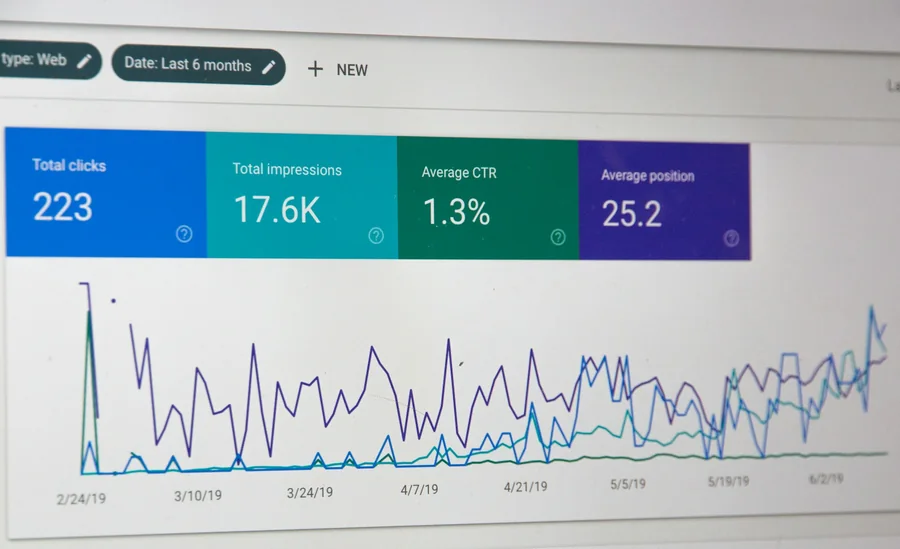
Visual marketing performance should be evaluated through more than impressions, likes, or aesthetic preferences. Brands need to understand whether their creative assets contribute to meaningful business outcomes. Google Search Console can help identify image search visibility, while analytics platforms provide information about website engagement, conversions, and visitor behavior.
Useful measurements include organic traffic, image search clicks, page loading performance, backlinks, and conversions associated with visually supported landing pages. However, businesses should interpret results carefully, as improved performance may reflect several factors rather than individual graphics alone. Regular reviews can reveal which visual formats deserve further investment and which require improvement.
Create a Sustainable Workflow for Long-Term Growth
Successful visual SEO depends on processes that connect planning, production, publication, and ongoing improvement. Brands can begin by auditing existing visual libraries to identify outdated graphics, oversized files, missing alternative text, and opportunities to develop more useful resources.
Shared guidelines covering design consistency, accessibility, and technical requirements can help teams maintain quality as content demands increase. Automation can support repetitive production tasks, while human review ensures accuracy, relevance, and brand consistency. Regular performance assessments also help businesses update existing materials rather than continually producing new assets without evaluating their effectiveness.
Connect Image Generation With Editorial Publishing
When a publishing schedule outgrows manual exports, developers can use Pixelixe’s image automation API to render approved templates from structured article data. For example, a custom workflow could pass a new article’s title, category, and selected image to a template, save the generated asset, and return its location to the editorial system. The team would need to implement that connection and decide whether generation happens at draft review or publication.
Include a review step for text overflow, image cropping, and the relationship between the graphic and the article. Then handle web delivery in the publishing workflow: compress the asset, assign a descriptive filename, and write alternative text that reflects its role on the page. Keep the article’s key explanations available as readable page text as well. This connects creative automation to the practical work of maintaining useful, consistent content as the site grows.
Conclusion
Brands investing in visual marketing have an opportunity to turn creative assets into valuable contributors to organic search performance. Achieving this requires more than attractive graphics or occasional image optimization. By aligning visual production with search intent, improving technical performance, creating original resources, and measuring meaningful outcomes, businesses can develop a more connected digital marketing strategy.
Reusable templates and creative automation can make these efforts easier to scale, while collaboration between designers and SEO specialists ensures every asset serves a clear purpose. When creativity and search strategy work together, brands can strengthen their digital presence while making better use of their marketing investments.