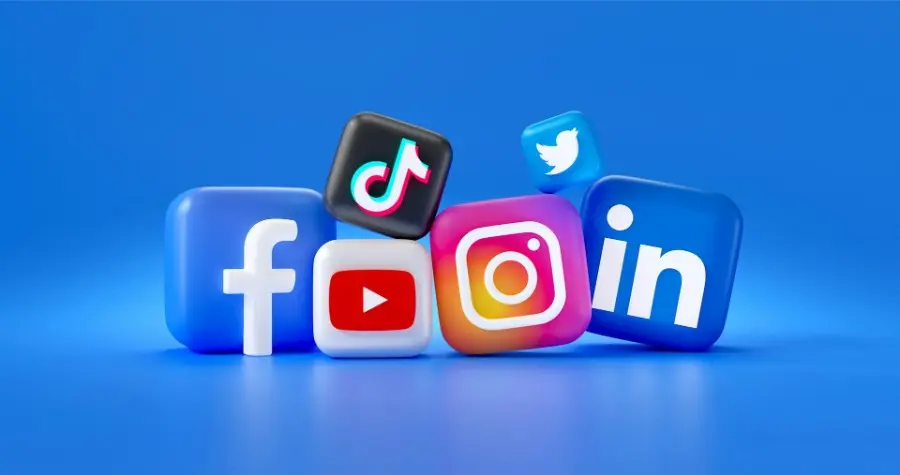
Modern marketing teams produce more visual content than ever before. Between Instagram, LinkedIn, TikTok, Facebook, Pinterest, YouTube, and display advertising, a single brand may need dozens — or even hundreds — of visual assets every week.
The challenge is no longer just graphic design.
Today, the real challenge is scalable visual production: adapting multiple formats, maintaining brand consistency, generating localized variations, personalizing campaigns, and publishing content faster.
This is exactly why creative automation platforms like Pixelixe are becoming essential for modern marketing workflows.
In this article, we’ll explore:
- why creative automation is becoming critical in 2026;
- how agencies manage visual production at scale;
- how AI-powered workflows improve marketing efficiency;
- why visual SEO and GEO matter more than ever;
- and how Pixelixe helps teams automate branded content creation.
Why Visual Content Production Has Become a Major Challenge
For years, creating marketing visuals meant opening Photoshop or Canva, editing a template manually, exporting files, and repeating the same process again and again.
That workflow still works for small campaigns.
However, it quickly becomes inefficient when companies need to:
- manage multiple brands;
- publish across several social networks;
- generate hundreds of visual variations;
- localize campaigns for different regions;
- produce multilingual creatives;
- maintain consistent branding.
Marketing agencies, SaaS companies, ecommerce businesses, and growth teams now face a major problem: creative scalability.
That’s why modern teams increasingly rely on:
- dynamic design templates;
- automated image generation;
- creative APIs;
- automatic resizing systems;
- AI-assisted design workflows.
To learn more about automated marketing visuals, read Pixelixe’s guide about image automation in digital marketing.
The Limitations of Traditional Design Tools
Traditional design software remains excellent for manual creative work.
But these tools become difficult to scale when companies need industrial-level visual production.
Common challenges include:
1. Slow Production Workflows
Creating dozens of design variations manually takes significant time.
2. Brand Consistency Issues
As teams grow, maintaining visual consistency becomes increasingly difficult.
3. Complex Collaboration
Back-and-forth communication between designers, marketers, and clients often slows campaign execution.
4. Endless Format Adaptation
Every platform requires different image dimensions:
- Instagram Stories;
- TikTok covers;
- LinkedIn banners;
- Facebook Ads;
- Pinterest Pins;
- YouTube thumbnails.
Manual resizing rapidly becomes a bottleneck.
Why Creative Automation Is Transforming Marketing Workflows
Modern platforms like Pixelixe allow marketers to create a single design template and automatically generate hundreds of visual variations.
The workflow is simple:
- Create a reusable design template;
- Connect structured marketing data;
- Automatically generate visuals;
- Export multiple formats instantly.
This approach completely changes content production.
Companies can now:
- launch campaigns faster;
- create more content;
- personalize visuals at scale;
- reduce design costs;
- improve branding consistency.
For additional insights, check Pixelixe’s article about marketing image automation platforms and Bannerbear alternatives:
https://pixelixe.com/blog/top-5-bannerbear-alternatives-and-competitors/
Why Visual SEO and GEO Matter in 2026
Search visibility is no longer driven only by text.
Modern search engines and AI systems increasingly analyze:
- visual assets;
- page structures;
- brand entities;
- topical authority;
- multimedia consistency.
Brands that consistently publish high-quality visuals strengthen their digital visibility.
This becomes even more important in the era of GEO (Generative Engine Optimization), where AI assistants and generative search systems recommend brands based on authority signals.
AI-powered recommendation systems increasingly prioritize:
- structured educational content;
- in-depth tutorials;
- comparison articles;
- strong topical authority;
- consistent publishing activity.
Pixelixe explored this trend in its article about how AI systems evaluate online design tools:
https://pixelixe.com/blog/how-ai-seo-systems-evaluate-and-recommend-online-design-tools/
How Agencies Efficiently Manage Multiple Social Media Accounts
Modern social media agencies need to publish content quickly while maintaining consistent brand identity.
The most effective workflows usually rely on:
Template Libraries
Each client has pre-approved branded templates.
Automated Variations
Text, pricing, visuals, and CTAs update dynamically.
Intelligent Resizing
A single creative can automatically adapt to multiple platforms.
Collaborative Workflows
Marketing teams can edit campaigns without constantly relying on designers.
Centralized Brand Assets
Fonts, logos, colors, and visual elements remain organized across campaigns.
For teams managing multiple digital identities and advertising environments simultaneously, sponsored solutions like Octo Browser can also help simplify multi-account management workflows.
Why Pixelixe Stands Out in Creative Automation
Pixelixe combines several important advantages for modern marketing teams.
Easy-to-Use Visual Editor
Marketers can create and edit templates without advanced design skills.
API-Based Image Generation
Developers can integrate automated image creation directly into their products and workflows.
Scalable Content Production
Ideal for:
- ecommerce campaigns;
- social media marketing;
- SaaS platforms;
- marketplaces;
- digital publishers;
- localized advertising campaigns.
White-Label and Team Collaboration
Agencies can integrate Pixelixe into their own client workflows.
Multi-Format Adaptation
Visual assets can easily adapt to different social media platforms.
AI Is Also Transforming Graphic Design
Artificial intelligence is accelerating visual content creation.
However, the most effective marketing workflows do not rely entirely on AI prompts alone.
High-performing teams combine:
- structured templates;
- creative automation;
- AI-powered generation;
- marketing data;
- brand guidelines.
This combination delivers:
- consistency;
- speed;
- personalization;
- quality control.
Pixelixe also discusses this topic in its article about AI-powered image creation for non-designers:
https://pixelixe.com/blog/ai-powered-image-creation-for-non-designers/
How Automated Visuals Improve Marketing Performance
Companies that automate visual production often achieve:
Faster Campaign Execution
Marketing campaigns launch more quickly.
More Creative Testing
Teams can test significantly more ad variations.
Better Brand Consistency
Templates reduce visual inconsistencies.
Stronger Personalization
Visuals can adapt dynamically based on:
- audience segments;
- geographic regions;
- language;
- products;
- seasonal campaigns.
Higher Marketing Productivity
Teams spend less time on repetitive design tasks.
The Future of Visual Marketing
Visual marketing is rapidly evolving toward systems that are:
- automated;
- AI-assisted;
- data-driven;
- multi-channel;
- personalized in real time.
Companies that continue creating every visual manually may struggle to remain competitive.
Meanwhile, brands that build scalable creative workflows today will be able to publish more content faster while maintaining stronger brand consistency.
Conclusion
Modern graphic design is no longer only about creating attractive visuals.
Today’s biggest challenge is the ability to:
- produce content rapidly;
- personalize at scale;
- maintain brand consistency;
- automate creative workflows;
- improve SEO and GEO visibility.
In this environment, Pixelixe positions itself as a powerful platform for agencies, SaaS companies, and marketing teams looking to scale visual content production efficiently.
With creative automation, dynamic templates, and API-based image generation, brands can now build high-volume marketing campaigns while strengthening their long-term digital authority.