
Most ecommerce teams have the same folder somewhere on a shared drive. It’s full of approved product shots, lifestyle images and campaign visuals that went through three rounds of feedback before anyone signed off. They get used once in a launch email, maybe twice in a carousel ad. Then they sit there.
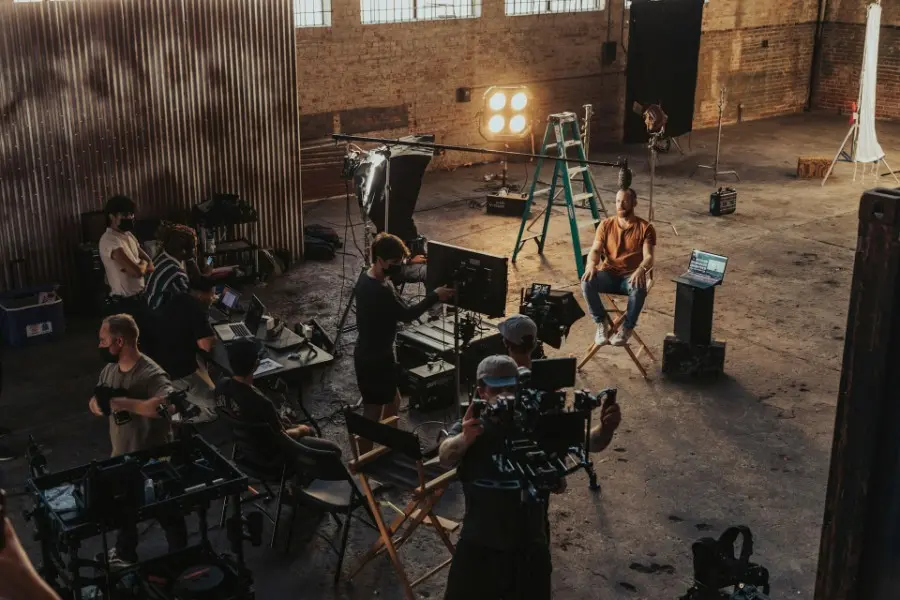
Meanwhile, the placements that matter most keep drifting toward video. Instagram Reels, TikTok, YouTube Shorts and Pinterest all favour motion, and even product detail pages now have a video slot that stays empty on most listings. The usual answer is “we’ll shoot video next quarter.” Next quarter rarely comes, because a proper video shoot means a crew, a set, editing time and a budget line that has to be defended.
There’s a more practical middle ground now. You can take the stills you already own and turn them into short, usable clips. It won’t replace a real shoot, and we’ll be honest about where it falls short. For a team that already runs a template-based visual workflow, though, it’s one of the cheapest ways to get more mileage out of approved creative.
Why stills alone are losing ground
A static image isn’t a bad asset. It’s just an incomplete one for the channels most brands now depend on. A product photo in a feed competes with thumbs moving fast, and a few seconds of movement buys you a slightly longer look. Subtle motion helps even on your own site: a slow push-in on a handbag, fabric shifting in a light breeze, steam rising off a cup of coffee. It gives shoppers a sense of texture and scale that a flat image can’t.
The problem was never that teams didn’t want video. Video just didn’t fit the way creative production actually works in most companies, where the pipeline is built around images, templates and brand kits.
What image-to-video AI actually does (and what it doesn’t)
Image-to-video tools take a single photo and a short text description of the motion you want, then generate a clip, usually somewhere between three and ten seconds long. The model keeps your original composition as the first frame and invents what happens next: camera movement, lighting shifts, the subject turning slightly, background elements moving.
What it handles well:
Slow camera moves such as push-ins, pull-backs, gentle orbits and parallax
Ambient motion like fabric, hair, water, smoke, leaves and reflections
Simple subject motion, for example a bottle rotating a few degrees or a model turning her head
What it still struggles with:
Printed text and logos, which can warp or melt as the camera moves
Hands and fingers doing anything complicated
Precise physics, such as liquid pouring into a glass at the right speed
Long clips, where consistency drops after the first several seconds
Knowing these limits upfront saves a lot of wasted generations. Most of the frustration people report comes from asking the tool to do something it was never going to do well.
Where it fits in a template-based workflow
If your team already builds visuals from templates, with a brand kit that locks fonts, colours and logo placement, you’re in a good position. The trick is to separate the two jobs.
Animate the clean image, not the finished ad. Don’t feed the model your final creative with the headline, price tag and logo baked in. Those are exactly the elements it tends to distort. Export a clean version of the product shot instead: no text, no badges, just the product and its background. Generate motion from that.
Add the branded layer afterwards. Once you have a clip you like, bring it back into your design or editing tool and lay the headline, logo, price and call to action over the top as static elements. Your typography stays pixel-perfect, your brand rules stay intact, and the motion sits underneath.
This split also makes the work reusable. One animated product clip can sit under five different overlays: a launch message, a discount message, a seasonal version, a localised version for another market. That is the same “create once, reuse many times” logic good template systems are built on, extended to motion.
Picking the right images to animate
Not every photo is a good candidate. A few things make a noticeable difference to the output:
Clear separation between subject and background. Models understand depth better when the product isn’t buried in clutter.
Some breathing room around the product. If you want a slow pull-back or orbit, the model needs space to work with. Tight crops leave it nowhere to go.
Consistent, directional lighting. Soft light from one side gives the model something believable to preserve as the camera moves.
As little printed text on the product as possible. A plain ceramic mug will animate cleanly. A cereal box covered in small copy is a gamble.
High resolution. Garbage in, garbage out still applies. Start with your best export, not a compressed social thumbnail.
Lifestyle shots with natural elements such as plants, curtains, water or a bit of wind in someone’s hair tend to produce the most convincing results, because the model has plenty of plausible things to move.
Writing motion prompts that work
Prompts for video are different from prompts for image generation. You’re not describing the scene, because the image already does that. You’re describing what changes. A simple structure works for most product clips:
Camera movement + subject movement + pace
A few examples:
“Slow push-in toward the perfume bottle, soft light flickers across the glass, calm and steady.”
“Gentle orbit around the sneaker from left to right, background stays still, smooth motion.”
“Linen shirt moves slightly in a light breeze, camera holds still, relaxed pace.”
“Steam rises from the coffee cup, very slow zoom out, warm morning light.”
Keep it short. Asking for three or four things to happen in five seconds usually produces a clip where nothing happens well. If the first result drifts, change one thing at a time. Most often that’s the camera instruction, because vague camera directions are the most common reason clips feel chaotic.
Choosing a tool
There are plenty of options now, and most of them run on the same handful of underlying video models. When you compare them, the practical questions matter more than the marketing: which models can you choose between, how long are the clips, does the free tier add a watermark, and can you get a clean MP4 without jumping through hoops?
For teams that want to test the idea before committing to a subscription, a browser-based Image to Video AI tool is an easy starting point. You upload a PNG or JPEG, describe the motion in plain English and get an MP4 back in a few minutes. Having several models in one place is useful, because they behave differently: one might handle fabric beautifully and struggle with reflective surfaces, while another does the opposite. Running the same image and prompt through two models is often faster than rewriting the prompt five times.
A simple weekly routine
You don’t need a new department for this. A routine many small teams can manage looks something like this:
Monday: Pick five to ten approved product images from the current campaign or best-selling lines.
Tuesday: Export clean versions with no text overlays and generate two or three motion variations of each.
Wednesday: Review the clips and keep the best one per product. Discard anything with warped labels or odd movement.
Thursday: Drop the keepers into your existing templates with headline, logo and CTA layers, then export in the formats each channel needs (9:16 for Reels and TikTok, 1:1 or 4:5 for feed, 16:9 for YouTube or the website).
Friday: Schedule and publish, then note which clips held attention so next week’s picks are better informed.
After a few weeks you’ll have a small library of motion assets that didn’t require a single shoot day.
A quick quality check before anything goes live
AI-generated motion can look great at first glance and fall apart on the third watch. Before publishing, check:
Does the product shape stay consistent from first frame to last?
Is any visible label, logo or pattern warping as the camera moves?
Does the motion stop abruptly, or does it settle naturally?
If the clip will loop, is the jump back to the start jarring?
Does it still look right on a phone screen, where most people will see it?
If a clip fails on product accuracy, don’t use it. A beautiful video that misrepresents what customers will receive creates more returns than it creates sales.
Where this leaves your creative workflow
Image-to-video AI isn’t a replacement for proper video production when you need a story, a spokesperson or a product demo. What it does well is close the gap between the image-heavy pipeline most teams already run and the video-heavy channels they’re expected to show up on.
If your brand assets are organised, your templates are solid and your approved photography is sitting in a folder doing nothing, you already have most of what you need. Adding motion is mainly a matter of treating those stills as the starting point of a clip rather than the final asset.