Visual identity is what makes a brand stand out and gain customers’ trust. Having a unique logo design will not only make the brand memorable for the customers but also build a strong brand recognition in a competitive market.
In the era of digital-first design, where sleek user interfaces, immersive websites, and animated graphics dominate, it may seem that print has faded into the background. Yet, for many modern digital design studios, print remains a core element of their creative process.
In today’s digital publishing landscape, words alone are no longer enough to sustain attention. Data has become the invisible ink shaping every headline, image, and interactive element. It fuels personalization, informs editorial strategy, and uncovers hidden narratives within raw numbers.
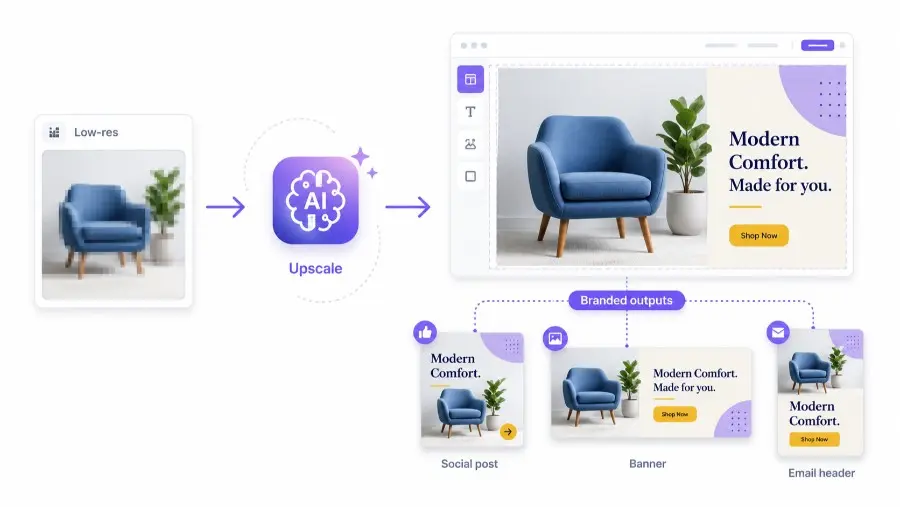
In just a few years, artificial intelligence has evolved from a passing trend into one of the driving forces behind modern creative work. A 2024 Adobe survey revealed that over 70% of creative professionals now use AI tools to speed up content generation and idea development. From writers and designers to marketers, AI has become a trusted partner that amplifies imagination and productivity.
So, you’ve created something you’re proud of. You spent hours on a new blog post, perfected a recipe, or launched a new product. You know Pinterest is the place to be, so you create a pin, send it out into the world, and wait for the wave of new visitors. But the wave never comes. It’s just a trickle.
If you’ve lost or accidentally deleted your graphic design files, don’t rush to start over just yet. Whether it’s a Photoshop PSD, Illustrator AI, or an SVG project, chances are those deleted images can still be recovered. Today, we’ll walk you through practical ways to bring your creative work back, from built-in recovery options in Adobe apps to powerful third-party photo recovery software that can rescue even permanently deleted files.
Video has officially taken over the digital marketing landscape. In 2026, more than 85% of all consumer internet traffic is projected to be video-based. TikTok, YouTube Shorts, Instagram Reels, and even LinkedIn native video are no longer “add-ons”—they’re the foundation of how audiences consume information, discover brands, and make purchasing decisions.
Marketing teams face a critical challenge in today’s global marketplace: translating extensive PDF documents while preserving their carefully crafted layouts.
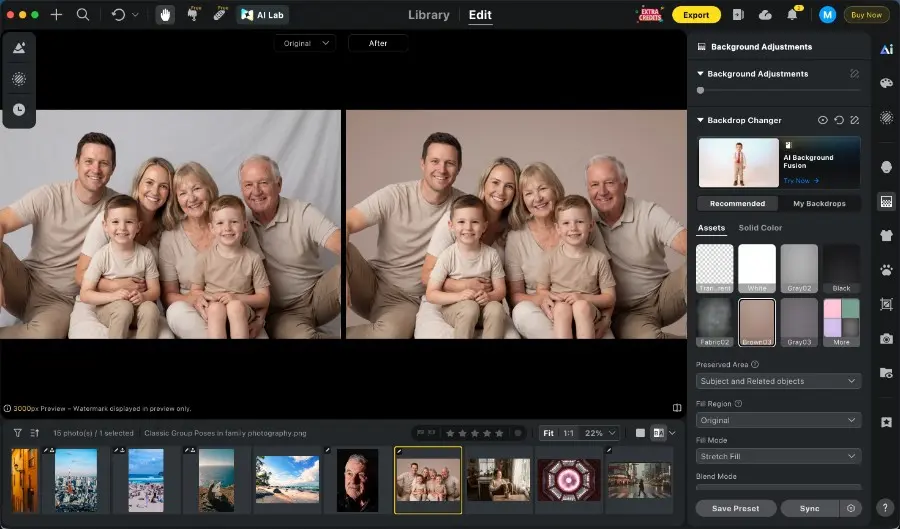
Photo editing is a whole lot easier than it once used to be. You don’t sit lassoing backgrounds for hours on end or manually patching skin tones pixel by pixel to remove blemishes, acne, or discoloration. AI does it for you now. It swaps, and you’re done. This is impressively revolutionary. And while there have been fair debates surrounding “oh, it will take away photo editors’ jobs” well, artists once too had the same argument when the camera was invented.

Automation is making a lot of things easier for people these days; it frees time, reduces errors, and lets you do what’s important. They are not that difficult to do on a day-to-day basis, but they take a good amount of time when you have to do them together. While most people think this needs to be taken care of through programming, that is not the case at all. The good news is you can lighten this burden without even learning any coding skills.