
Graphic Design for Podcasters - Designing Engaging Visuals
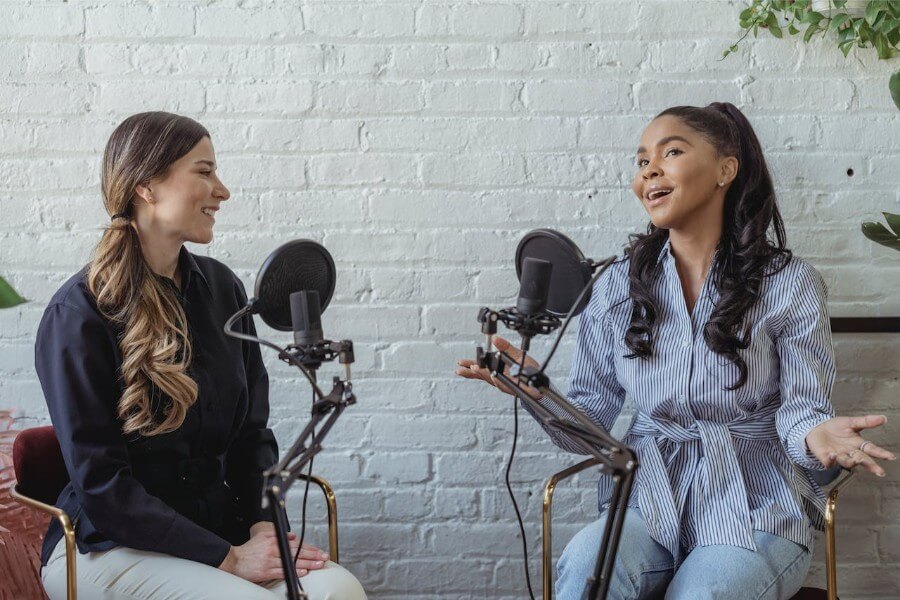
Podcasting has become an immensely popular medium for sharing ideas, stories, and information. With millions of podcasts available on various platforms, it’s crucial for podcasters to stand out from the crowd. One effective way to do this is through graphic design. In this comprehensive guide, we will explore the world of graphic design for podcasters and how to create engaging visuals that captivate your audience.
Keep show artwork separate from episode promotion
Podcast show artwork identifies the series. Episode graphics explain a particular conversation. Give them related styles, but do not assume that one export is suitable for every podcast directory and social placement.
| Asset | Content that should stay clear |
|---|---|
| Show cover | Show title and recognizable identity at a small display size |
| Episode graphic | Episode topic and the correct guest or episode reference |
| Social teaser | One useful takeaway and where to hear the full episode |
| Video version | A thumbnail that matches the actual recorded content |
For Apple Podcasts, the current Show Cover specifications list a 3000 × 3000 pixel square; RSS submissions can use 1400 × 1400 through 3000 × 3000. PNG or JPG is accepted and show covers must have a solid background without transparency. Check other directories separately.
As an illustrative review, compare a short episode title with a long guest name and a two-guest conversation. Check that the series identity remains recognizable without making the topic or names unreadable. Store the agreed spelling and episode reference with the design record.
For a video edition, use the YouTube branding workflow. An accompanying guide needs its own ebook cover treatment, while a professional interview series can use the consultant visual kit. Text-on-photo editing provides a way to prepare a labelled promotional image.
Practical guidance revised November 1, 2026. Worked examples are illustrative; no campaign performance benchmark was conducted.
Why Visuals Matter for Podcasters
While podcasts primarily rely on audio content, visuals play a significant role in attracting and retaining listeners. Here’s why visuals matter for podcasters:
1. Brand Identity
Your podcast’s brand identity is like its fingerprint – unique and easily recognizable. Visual elements like logos, cover art, and color schemes create a strong brand identity that helps your podcast become memorable. Think about your favorite podcasts; chances are, their visual branding is etched in your mind.
2. First Impressions
As the saying goes, “You never get a second chance to make a first impression.” Your podcast cover art is the first thing potential listeners see. An eye-catching design can entice them to click and explore your episodes. Imagine your cover art as the welcome mat to your podcast – it should be inviting and intriguing.
3. Content Promotion
Visuals are essential for promoting your podcast on social media, websites, and podcast directories. They can help you grab attention in a crowded digital space. Whether you’re sharing teaser images, episode highlights, or promotional banners, well-designed visuals are your best allies.
4. Consistency
Consistency is the secret sauce to a memorable brand. Visual branding consistency across episodes and promotional materials reinforces your podcast’s identity and builds trust with your audience. When your listeners see your visuals, they should immediately associate them with your podcast’s unique voice and content.
Designing Your Podcast Cover Art
Your podcast cover art is arguably the most crucial visual element. It’s the face of your podcast, and it should be designed thoughtfully. Here are some tips for creating compelling cover art:
1. Reflect Your Podcast’s Content
Your cover art should give potential listeners an idea of what your podcast is about. Incorporate relevant imagery or symbols related to your niche or topic. If your podcast delves into history, perhaps a vintage map or historical artifact could be integrated into the design.
2. Choose Eye-Catching Colors
Colors evoke emotions and can convey the mood of your podcast. Select a color palette that aligns with your content. For example, vibrant colors may work well for an energetic podcast, while muted tones might be suitable for a serious or educational show. Think about the emotional journey you want your audience to experience.
3. Typography Matters
The font you choose for your podcast title should be easy to read, even in thumbnail size. A combination of bold and simple fonts often works best. Typography isn’t just about the words; it’s about how they’re presented. A well-chosen font can convey elegance, informality, or playfulness.
4. Keep It Simple
Avoid cluttering your cover art with too much detail or text. A clean and straightforward design is more effective in grabbing attention. Remember that your cover art will often be seen as a small thumbnail – simplicity ensures clarity even at a glance.
5. Test for Visibility
Ensure your cover art looks good in different sizes and on various platforms. It should be recognizable even when displayed as a small thumbnail. Test your design on different devices to make sure it maintains its impact.
Creating Episode Graphics
Apart from cover art, episode-specific graphics can enhance your podcast’s visual appeal. Consider these elements:
1. Episode Thumbnails
Design custom thumbnails for each episode. Use relevant images and episode titles to entice listeners to click. Thumbnails should provide a sneak peek into the episode’s content, leaving potential listeners curious and eager to hit play.
2. Social Media Graphics
Create promotional graphics for sharing on social media platforms. These can include quotes from your episodes, episode announcements, and behind-the-scenes content. Social media is where you engage with your audience directly, and captivating visuals can spark conversations and interactions.
3. Transcripts and Show Notes
Make your podcast more accessible by providing transcripts and show notes. Design these documents with a consistent style that aligns with your branding. Accessibility matters, and well-designed transcripts and show notes not only make your content inclusive but also visually pleasing.
Tools for Graphic Design Automation
Creating visuals for your podcast doesn’t have to be a time-consuming task. You can leverage graphic design automation tools like Pixelixe to streamline the process. These tools offer templates, customizable designs, and easy editing options, making it convenient to create stunning visuals for your podcast. Automation doesn’t mean sacrificing quality; it means optimizing your workflow.
Final Thoughts
Graphic design tools are powerful in the podcasting world. It helps you establish a strong brand, engage your audience, and promote your content effectively. By following the tips and leveraging automation tools like Pixelixe, you can enhance the visual appeal of your podcast and leave a lasting impression on your listeners.
Remember, your visuals should align with your podcast’s identity and resonate with your target audience. With the right design strategy, you can take your podcast to the next level and reach a broader audience. The world of podcasting is dynamic, and with compelling visuals, you’re ready to make your mark in this auditory landscape.