Scroll through any social feed for ten seconds and notice where your thumb stops. Most of the time, it lands on something that moved. A logo that bounced in. A chart where the bars grew one by one. A coffee cup with steam slowly rising off the top.
Scroll through any social feed for ten seconds and notice where your thumb stops. Most of the time, it lands on something that moved. A logo that bounced in. A chart where the bars grew one by one. A coffee cup with steam slowly rising off the top.
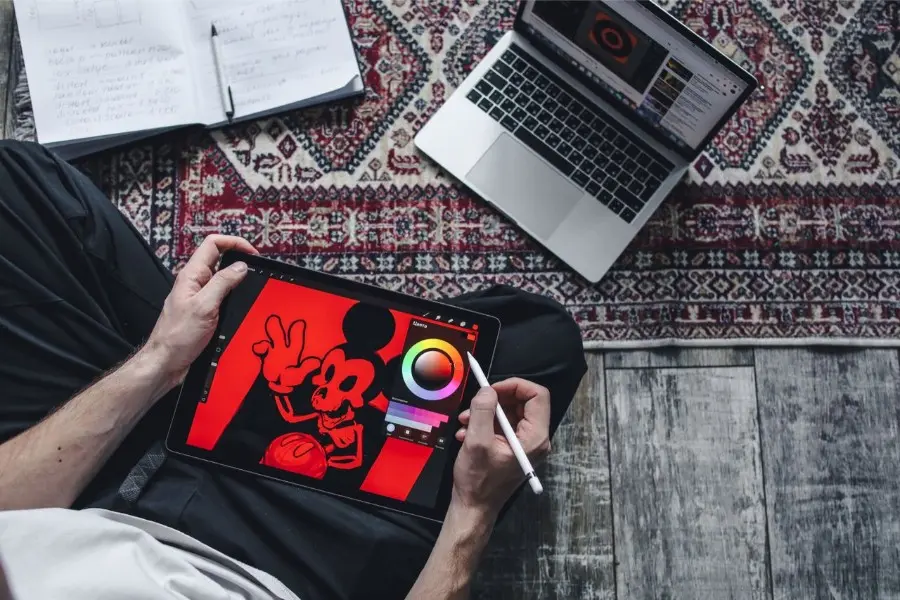
In today’s scenario, where each and every piece of content looks similar to others, maintaining credibility in your work and portfolio has become crucial. For the same reason, it has become quite difficult as well.
Most ecommerce teams have the same folder somewhere on a shared drive. It’s full of approved product shots, lifestyle images and campaign visuals that went through three rounds of feedback before anyone signed off. They get used once in a launch email, maybe twice in a carousel ad. Then they sit there.

Insurance agencies do not usually lack reasons to communicate. A new lead requests a quote, a client approaches renewal, a household adds a vehicle, a business expands, storm season begins, or an agent opens a new local office. The production bottleneck is turning each event into accurate, branded visual content before the moment loses relevance.

Choosing or generating a soundtrack is only one part of an audio-visual campaign. Once the music is approved, a marketing team still needs to package the campaign for discovery, distribution, localization, paid media, email, social platforms, landing pages, and long-term reuse.
Choosing an image generator for advertising work is not the same as choosing one for personal experiments. The output has to carry a brand colour accurately, hold legible copy, survive a compression pass on a social platform and clear whatever legal review the client runs.
Small businesses do not usually lack marketing ideas. They lack the time, specialist resources, and connected systems required to turn those ideas into consistent campaigns.
An e-commerce launch can require a product page, email sequence, marketplace listing, paid-social copy, organic posts, support content, images and short videos. When each deliverable is created as a separate task, teams repeat research, rewrite the same claims and struggle to keep product information consistent.

Online shoppers often see the product image before anything else. According to the Baymard Institute, a whopping 56% of all website visitors start looking at product photos as soon as they visit a product page.

To turn AI backgrounds into branded product campaigns, generate the setting, then combine it with a real product cutout and editable text in Pixelixe. Save a template for each format, map approved campaign data to its elements, and review sample exports before producing the remaining images.