
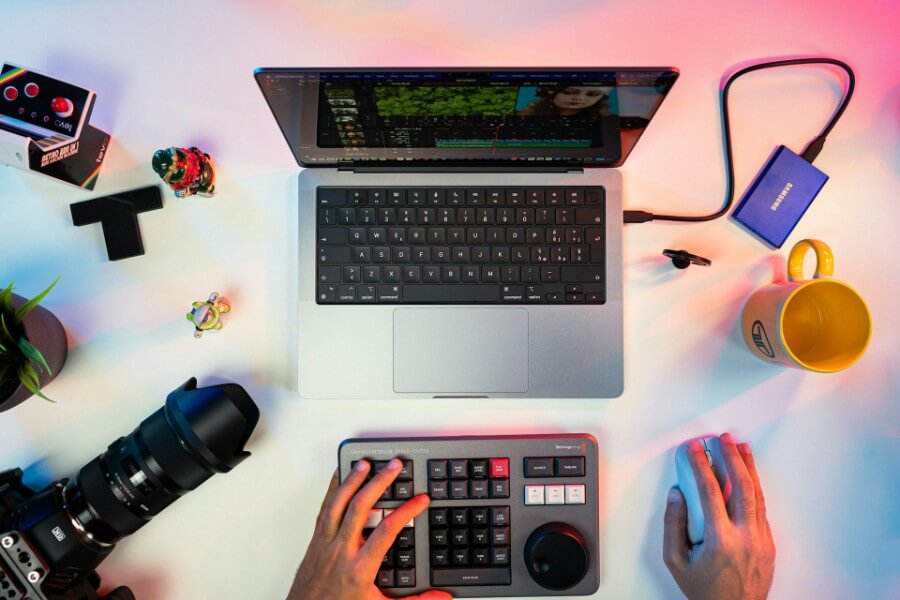
Creating content is no longer just a hobby. For many, it’s a career path. A content creation studio is a dedicated space for producing different types of digital content. Yet, building the right space to produce high-quality digital content often feels like solving a tricky puzzle. Many creators struggle with poor audio, cluttered setups, or simply not knowing where to begin.
Here’s some positive news: over 50 million people worldwide now identify as digital content creators. This demonstrates that there’s plenty of opportunity in this field and a strong demand for excellent work. A content studio, as a dedicated physical space, is equipped for quick and efficient content creation, including photography, videography, and branding assets. A photography studio, for example, is a specialized space with professional lighting, customizable backdrops, and props, making it versatile for producing high-quality photos and videos for branding, social media, and professional recording purposes. It streamlines production, fosters creativity, and supports sustainable practices, setting it apart from digital content hubs.
However, success often depends on having an organized studio that supports creativity and efficiency. Content creation studios can be used to create videos, photographs, podcasts, and social media posts, and the size of a content creation studio will depend on the type of content it produces. Content studios can take up a corner of the office, an old broom closet, or even an entire room, depending on available space. This blog will guide you through the skills, tools, and strategies needed to build a practical media studio, emphasizing the importance of details and having a dedicated team for setup, production, and asset management. Many content creation studios also have dedicated staff for editing and post-production, ensuring efficient turnaround of content. You’ll learn how to set up your space without breaking the bank while staying prepared for the evolving nature of this industry. The cost of setting up a content creator studio can vary widely depending on your choice of equipment, setup approach, and available space, so it’s important to consider your budget and investment needs from the start.
What is a Content Studio?
A content studio is a purpose-built studio space designed to empower content creators, businesses, and brands to produce high-quality digital content. Unlike makeshift setups, a content studio is equipped with professional-grade tools and equipment—think advanced cameras, versatile lighting kits, and top-tier audio interfaces—ensuring every video, podcast, or photography session meets the highest standards of quality.
Within a content studio, creators have access to everything they need to bring their ideas to life. Adjustable lighting setups allow for perfect illumination, while soundproofing ensures crisp, clear audio for podcasts and video recordings. The studio’s layout is optimized for efficiency, making it easy to move between multiple shoots or switch from photography to video production without missing a beat.
Content studios are designed to support a wide range of content creation needs, from shooting engaging YouTube videos and social media clips to capturing professional photography for marketing campaigns. This controlled environment gives creators the flexibility to experiment with different backdrops, props, and equipment, helping them produce content that resonates with their target audience.
For businesses and brands, a content studio offers the support and resources needed to develop a consistent content strategy, deliver polished videos and photos, and connect with audiences across platforms like social media, YouTube, and company websites. By investing in a dedicated content studio, creators and companies can ensure their content stands out in a crowded digital world, backed by the right tools, lighting, and expertise to produce exceptional results every time.
Core Skills for Digital Content Creators
Creating content isn’t just about starting; it’s about building meaningful connections with people. To succeed, focus on improving your skills and maintaining consistency, while also being able to create content efficiently and at scale.
Storytelling and Audience Engagement
Grabbing attention starts with relatable stories. Business owners and managed IT services can use brand storytelling to build trust. A well-told story makes your audience feel like part of the experience. For example, share how your solutions assisted a small business in saving money or enhancing operations.
“Stories help us connect on a human level,” as marketing experts often say. Use emotions and real experiences to emphasize value in your content strategy. Focus on their needs, challenges, and goals instead of just features. Consistency and Content Scheduling follows right behind crafting stories for stronger connections.
Consistency and Content Scheduling
Keeping a consistent posting schedule builds trust and reliability with your audience. Regularly publishing multimedia content reflects professionalism and keeps viewers engaged. Business owners managing their media studio should treat content production like any other business process - predictable, timely, and organized.
Creating a content calendar helps organize the workload. Batching tasks and planning ahead allows creators to produce a higher quantity of content and create content more efficiently. Schedule video production or social posts weeks ahead to remain focused during busy periods. Use tools designed for small teams to coordinate collaboration efforts effectively. Consistency isn’t just about timing; it’s also about maintaining brand storytelling quality across platforms, ensuring every piece aligns with your overall branding strategy.
Data Analysis and Performance Tracking
Track performance measurements to understand what connects with audiences. Use tools like Google Analytics or social media insights to assess interaction rates, video views, and click-through rates.
Numbers tell the story behind content creation. Analyze trends regularly to improve your content strategy. Identify patterns in viewer behavior and adjust topics based on what draws interest. Decisions based on data are crucial for expanding digital marketing efforts effectively.
Networking and Collaboration
Building connections broadens the reach of your content. Working alongside other creators or businesses can enhance visibility and encourage growth in your media studio. Collaborating on projects enables shared expertise and resources, improving efficiency in video production or creative agency work. Each person on the team brings unique skills and perspectives, which enhances the overall content creation process.
For instance, teaming up with a digital marketing expert might refine your branding strategy while reaching new audiences. Participating in industry events or online forums opens doors for collaboration. Simple actions like engaging with peers’ multimedia content can inspire partnerships. Networking isn’t just about increasing numbers; it’s about building genuine relationships that foster long-term success in content production and visual storytelling.
Alone we can do so little; together we can do so much. – Helen Keller
Essential Tools and Equipment
A well-equipped studio needs reliable tools to create captivating and professional content—choose wisely to craft your masterpiece. A content studio is a dedicated space that houses A/V equipment, cameras, props, and branded physical assets, streamlining the production process by providing all necessary tools in one place. Customizable backdrops are essential for creating different looks and themes, allowing for flexibility and versatility in every shoot. It’s also important to efficiently store and organize digital assets and equipment within the content studio to maintain an effective workflow.
High-Quality Microphone and Audio Gear
A dependable microphone is essential for creating clear audio for multimedia content. Poor sound quality can divert your audience’s attention, reducing the impact of even the strongest visuals. Well-regarded options like the Shure SM7B or Rode NT1 deliver sharp and professional-quality recordings suitable for podcasts, video production, and digital marketing campaigns.
Combining a quality microphone with an audio interface improves recording quality. Devices like Focusrite Scarlett make connecting equipment to computers straightforward while minimizing noise interference.
Noise-canceling headphones also assist in accurately monitoring recordings in busy media studio settings. Investing in long-lasting equipment saves time and ensures consistent results for content creation projects. For creators building a studio on a budget, options like equipment loans by Credibly can make it easier to invest in professional gear without high upfront costs.
Proper Lighting Setup
Bright, even lighting enhances any content production into polished-quality work. Softboxes or ring lights minimize harsh shadows and create appealing tones for video production. LED panels provide adjustable brightness and color temperatures, ideal for adapting to various studio setups.
Avoid mixing natural and artificial light unless you maintain the balance. Invest in blackout curtains to block unwanted sunlight interference. Position key lights at 45-degree angles to illuminate subjects without overexposing them. Dependable media studio lighting improves both brand storytelling and audience connection effectively.
Versatile Camera Options
Soft, well-distributed lighting pairs perfectly with cameras that capture crisp and vibrant visuals. A dependable camera is the backbone of any media studio. For content creators, DSLR or mirrorless cameras are often top choices. They provide versatility for recording high-definition multimedia content while remaining portable.
For those handling in-house production or digital marketing efforts, webcams with 4K resolution perform effectively for live streaming or video calls. Cameras like Sony’s Alpha series or Canon EOS models are excellent for producing professional-level results without exceeding budget limitations. Combining these tools with a sturdy tripod ensures steady shots every time.
Editing Software and Applications
Editing software is essential to the content creation process, with the ability to edit raw footage into polished content as a key step. Tools like Adobe Premiere Pro, Final Cut Pro, or DaVinci Resolve deliver professional-grade results for video production. For audio editing, Audacity and GarageBand are popular options. Editing software options also include Adobe Premiere Pro and Final Cut for video, Lightroom and Photoshop for photos, and tools like Descript for simplified video editing. Professional-grade editing software is necessary for post-production in a content creation studio. These programs simplify trimming clips, balancing sound levels, adding transitions, and refining visuals.
Mobile apps also offer quick edits on the go for busy creators. CapCut or InShot works well for social media posts or short videos. Investing time to master these tools improves digital marketing materials and increases multimedia content quality for any creative studio setup. Investing in a powerful computer with a strong CPU/GPU is crucial for optimal editing performance.
Setting Up a Functional Studio Space
Choose a room where you can work without interruptions. Arrange it to promote focus and creativity.
Choosing a Dedicated and Organized Space
Choose a room or corner free from distractions. A disorganized space can harm focus and slow content production. Keep cables, equipment, and props tidy using labeled bins or shelves. Paying attention to details, such as adding decorative elements or carefully chosen props, can enhance the visual appeal of your studio and the content you create.
This helps save time during shoots. Opt for furniture that supports effective workflows, such as adjustable desks or ergonomic chairs. Ensure the area permits proper movement while arranging cameras, lights, and other filmmaking equipment for your media studio setup.
Optimizing for Sound and Lighting
Soundproofing a studio reduces interruptions and enhances recording quality. Heavy curtains, rugs, or foam panels block external noise effectively while minimizing echoes. Minor changes like sealing gaps in doors and windows also have a noticeable impact.
Softbox lights provide steady lighting for video production. LED panels deliver energy-efficient brightness control without heating up your space. Place the light sources at an angle to prevent harsh shadows on your subject’s face or background.
Benefits of a Studio
A content creation studio offers creators a dedicated environment designed for efficiency, creativity, and professional results. With a purpose-built studio, you can produce high-quality content without the constant hassle of setting up and breaking down equipment. This streamlined workflow means more time spent on actual content creation and less on logistics, boosting productivity and output.
Having access to professional equipment and services—like advanced lighting, audio gear, and video editing tools—ensures your content stands out in a crowded digital landscape. Whether you’re recording a podcast, shooting videos, or capturing stunning photography, a studio provides the control needed for consistent quality. The ability to fine-tune lighting and sound in a controlled space is especially valuable for podcast studios and photography sessions, where every detail matters.
Beyond production, a content creation studio often offers additional services such as graphic design, video editing, and content strategy support. These resources help creators elevate their work, develop cohesive marketing campaigns, and deliver polished content across platforms. Ultimately, a well-equipped studio empowers creators to focus on their craft, produce professional-grade content, and grow their audience with confidence.
Studio Costs
Setting up your own content creation studio is an investment that requires careful planning and budgeting. The initial costs can vary widely, depending on the size of your studio space, the quality of equipment you choose, and the range of services you plan to offer. Essential expenses include cameras, lighting, audio gear, computers for video editing, and furniture to create a comfortable and functional environment. For a basic setup, costs might start at a few thousand dollars, while a fully equipped studio with advanced features can reach tens of thousands.
When planning your studio services and budgeting, it’s important to consider operating hours or scheduled sessions, as working within set timeframes can help optimize client interactions and streamline content production workflows.
Ongoing costs are also important to consider. These include equipment maintenance, utility bills, software subscriptions for video editing and graphic design, and potentially hiring staff or freelancers to help with production and tutorials. To ensure your studio remains financially sustainable, it’s crucial to develop a detailed business plan that accounts for both fixed and variable expenses.
Many creators and businesses offset these costs by renting out studio space, offering video editing or graphic design services, and hosting workshops or tutorials. By diversifying revenue streams and keeping a close eye on expenses, you can build a content creation studio that not only produces high-quality videos, photos, and audio content but also supports long-term growth and profitability.
Setting up a content creator studio requires focusing on core gear such as camera, mic, and lighting, functional space elements like acoustics and power, and software/workflow for editing and analytics.
Studio Management
Effective studio management is the backbone of a thriving content creation studio. It involves more than just keeping the lights on—it’s about creating an environment where creators can focus on producing their best work. This means managing bookings, maintaining equipment, and ensuring the studio is always ready for the next shoot or recording session.
A well-managed studio streamlines the content creation process, allowing creators to move seamlessly from one project to the next. By keeping equipment in top condition and staying up-to-date with the latest advancements in lighting, audio, and video editing, studio managers help maintain the highest quality standards. This attention to detail not only benefits creators but also impresses clients, businesses, and brands who rely on the studio for professional-grade content.
Staying current with trends in social media, YouTube, and content marketing is also essential. By offering services that cater to a wide range of clients—from influencers to established companies—a content creation studio can build a reputation for reliability and innovation. Ultimately, strong studio management ensures that every creator who walks through the door has the support, resources, and environment they need to produce outstanding content.
Studio Security
Security is a critical consideration for any content creation studio, protecting both valuable equipment and sensitive client data. Implementing robust security measures—such as access control systems, surveillance cameras, and secure storage for cameras, audio gear, and computers—helps safeguard against theft, damage, and unauthorized access.
Clear policies for equipment usage, client conduct, and data protection are essential for maintaining a safe and professional environment. This is especially important for studios offering video editing, graphic design, and photography services, where intellectual property and confidential client information must be protected at all times.
By prioritizing security, a content creation studio not only protects its assets but also builds trust with creators, businesses, and brands. Knowing that their work and data are safe allows clients to focus on producing high-quality content, confident that their projects are in good hands. In today’s digital world, studio security is not just a precaution—it’s a fundamental part of delivering professional, reliable services.
Strategies for Long-Term Success
Stay curious and keep testing new ideas to stay ahead of the curve. Build strong habits that support growth over time. Batching multiple shoots in one session can maximize efficiency and help maintain consistency across your content calendar. Producing high-quality content often requires going a long way—investing significant time and effort in planning, shooting, and editing. Planning for the future by storing and organizing digital assets in a content hub ensures all assets are gathered in one convenient location for easy access in upcoming projects.
Adapting to Industry Trends
Trends in digital media shift quickly. Creators must stay ahead by following platforms like YouTube, Instagram, and TikTok for updates. Watch how algorithms change to understand what content gets priority.
For example, short-form videos are dominating many feeds right now. Experimenting with AI tools can provide fresh ideas or faster workflows. Adding features like captions or translations makes multimedia content accessible to larger audiences. Pay attention to new digital marketing techniques that help expand reach without inflating costs unnecessarily.
Staying adaptable ensures long-term relevance in a competitive space while saving time and resources in daily production tasks.
Experimenting with New Content Formats
Try creating multimedia content that captures attention across platforms. Short-form videos, interactive polls, or live Q&A sessions can generate interest. Digital audiences enjoy variety and fresh ideas, so incorporate new formats to maintain their interest.
Creating and utilizing video clips, such as B-roll footage, is essential for enhancing your content and repurposing it for social media or marketing materials.
Explore tools like animations or augmented reality features to enhance brand storytelling. A media studio trying out audio clips or behind-the-scenes footage may connect better with followers. Diverse formats help develop a stronger content strategy over time.
Continuous Learning and Skill Development
Digital content changes fast, and creators must stay sharp. Take online courses or workshops to learn new tools in video production and digital marketing. Platforms like Udemy or Skillshare offer practical lessons on editing software and social media strategy.
Attend industry events to hear insights from top creators. These networking opportunities help you learn about trends like audience connection techniques or creative studio setups. Maintaining a curious mindset encourages steady development in branding, storytelling, and content creation. Many creators also simplify their routines with solutions like ProteinChefs vegan meal kits, which support consistent energy levels during long editing or production sessions.
For ongoing improvement, consider these tips: regularly organize your digital assets to streamline your workflow, and optimize equipment usage to maintain an energy-efficient studio. These practical steps help keep your content creator studio sustainable and well-organized.
Marketing and Promotion
To stand out in a competitive market, a content creation studio must invest in effective marketing and promotion. Building a strong online presence through a professional website, active social media channels, and engaging content is key to attracting new clients and showcasing your studio’s capabilities. Highlighting your podcast studio, video editing services, and high-quality equipment can help potential clients see the value you offer.
Leveraging SEO strategies—such as using relevant keywords like “content creation studio,” “podcast studio,” and “video editing”—can boost your website’s visibility and drive organic traffic. Sharing tutorials, behind-the-scenes content, and client success stories on platforms like Facebook, Instagram, and YouTube helps build credibility and connect with your target audience.
Offering educational resources, such as workshops and tutorials, positions your studio as a thought leader in the content creation industry. This not only attracts creators and businesses looking for professional services but also fosters a loyal community around your brand. By consistently promoting your services and maintaining high standards of quality, your content creation studio can grow its reputation, expand its client base, and achieve long-term success.
Conclusion
Building a successful studio takes hard work, creativity, and smart planning. Every piece of equipment and every skill you learn pushes your content forward. Stay curious, try new ideas, and keep up with trends. Remember, great storytelling connects and keeps people coming back for more. Your journey as a creator grows with each step you take!