
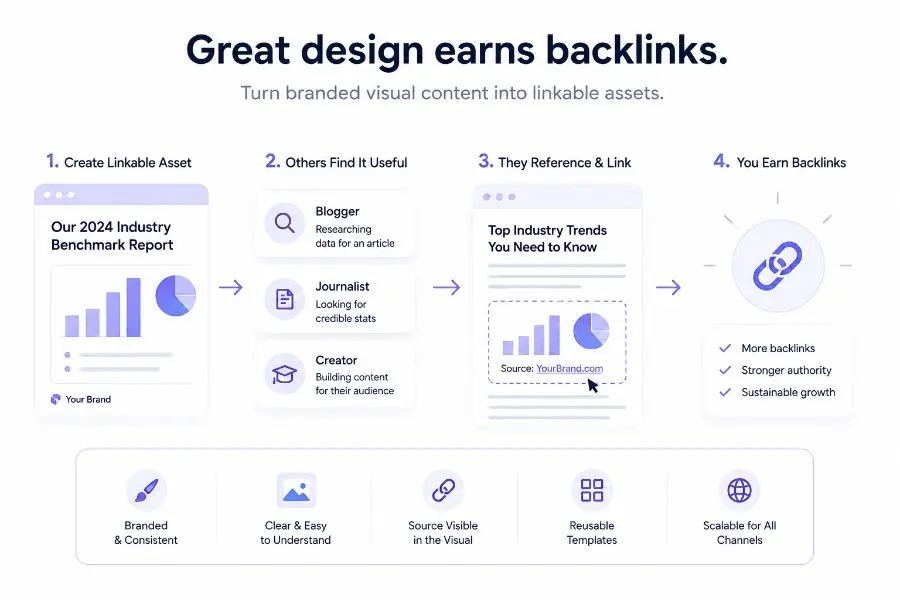
When marketers talk about backlinks, they usually frame it as an outreach problem.
When marketers talk about backlinks, they usually frame it as an outreach problem.
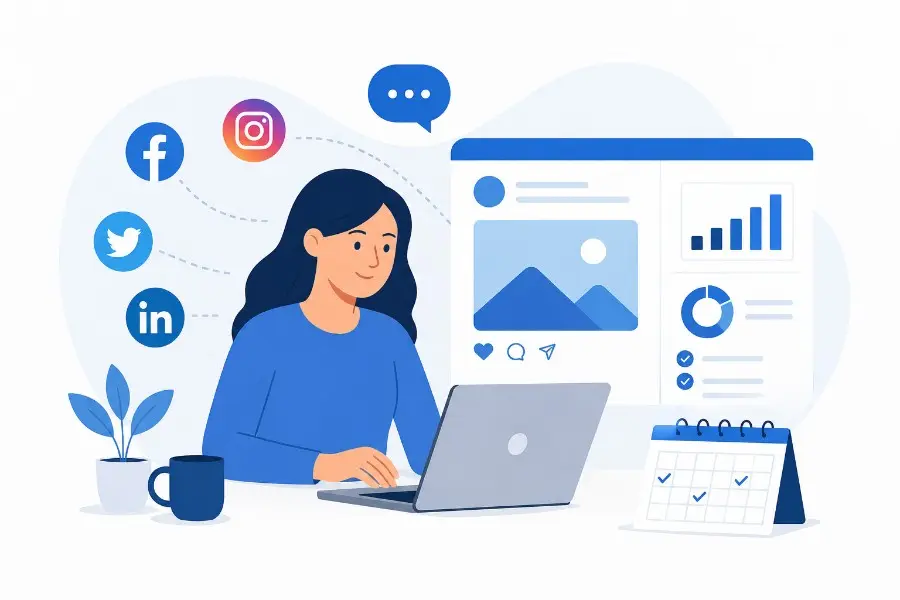
Social media feels like running a race with no finish line. Blink, and there is a new trend, a new format, or another platform change to react to.
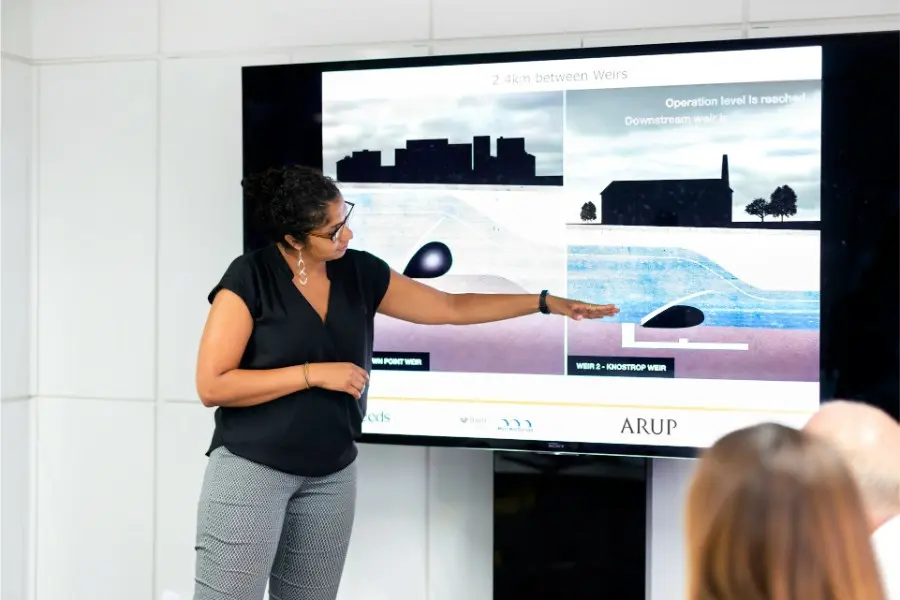
Research presentations can be powerful, but they can also become overwhelming very quickly. A presenter may have months of data, analysis, charts, findings, and recommendations to explain in only a few minutes.
Marketing teams in 2026 are producing more content than ever before. Blog posts, branded visuals, social media graphics, lifecycle email creatives, campaign banners, localized ads, marketplace assets, and AI-assisted promotional content are now created at massive scale thanks to creative automation and image generation APIs.
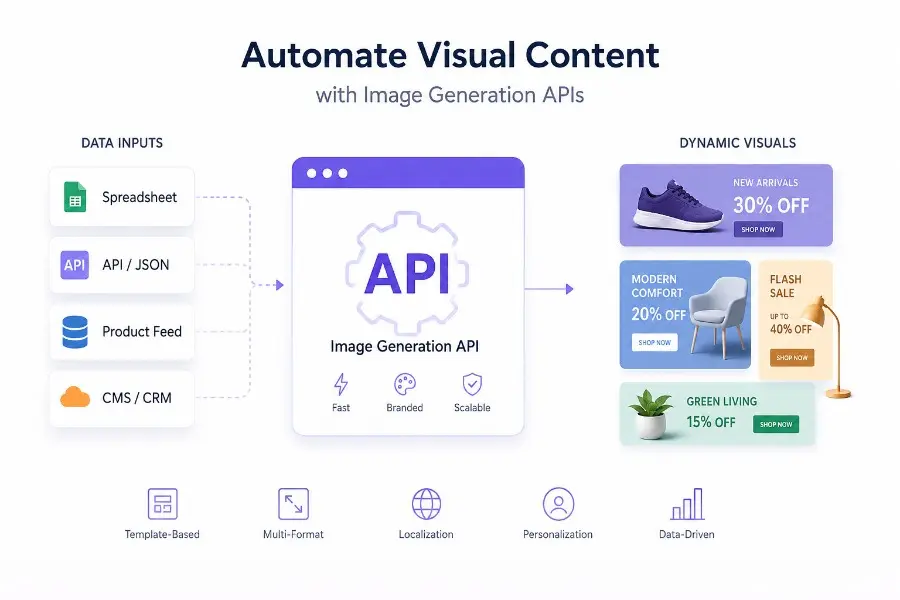
In 2026, creative teams face a scaling problem: content demand is growing fast, but manual production workflows are not. Marketing teams now need visuals for ads, email campaigns, e-commerce catalogs, marketplaces, social media, localization, personalization, and lifecycle automation at a pace traditional design tools were never built to support.

The market for generative visuals has matured quickly. Most teams no longer ask whether AI image generation is possible. They ask whether it can be trusted inside a production workflow.

Social media has become one of the most demanding parts of modern marketing. Brands are expected to publish constantly, respond quickly, adapt to trends, and maintain a recognizable presence across multiple platforms at once.
With influencer marketing becoming one of the fastest-growing growth channels for brands, eCommerce and DTC teams continue to invest heavily in creator partnerships. Whether through micro or macro influencers, creators help brands drive traffic, boost conversions, and build trust faster than traditional ads.

AI is no longer interesting in B2B communication because it is new. It matters because B2B teams are expected to do more across more channels with less time, tighter budgets, and higher expectations around relevance.
Something important has changed over the last few years. People still search, but they no longer discover brands only through a page of blue links.