
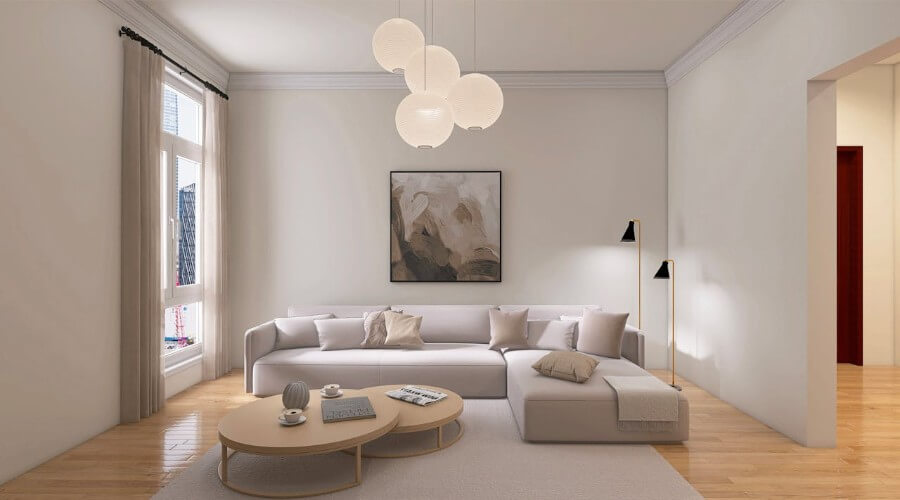
In the creator economy, visual capital is everything. Whether you are running a lifestyle blog, managing a Pinterest account for a brand, or building an Instagram following, the quality of your imagery directly correlates with your engagement rates.
The development of interior design as a profession has deep roots in the past, evolving alongside architecture. Understanding this historical context enriches both the creative process and the authenticity of modern interiors.
For years, the barrier to entry in the “Home & Decor” niche was incredibly high. To create the kind of glossy, magazine-quality photos that go viral, you needed a perfectly staged home, expensive camera gear, and a budget for props. Or, you had to pay thousands of dollars for professional 3D rendering.
In 2026, Generative AI has dismantled that barrier. Today, marketers and creators can generate hyper-realistic interior design content from their laptops, turning text prompts into viral assets in seconds. This shift isn’t just about saving money-it’s about “content velocity”. For real estate teams, this “content velocity” mindset translates directly to listings and staging: the faster you can turn ideas into polished visuals, the more consistently you stay in front of buyers and sellers. A real estate virtual assistant can keep that pipeline moving by organizing your image library, repurposing visuals into Pinterest-ready pins, and scheduling posts so your marketing doesn’t stall between closings.
Key Takeaways for Creators:
Speed: Move from concept to published post in under 10 minutes.
Cost Efficiency: Create luxury aesthetics (like marble walk-in closets) without the luxury budget.
Engagement: “Satisfying” organization content typically sees 2x higher save rates on social platforms.
Introduction to Viral Content
In today’s digital-first world, viral content is a game-changer for the interior design profession. For interior designers, the ability to create and share eye-catching visuals isn’t just about aesthetics—it’s a powerful way to showcase technical knowledge, innovative space planning, and a unique approach to decorative arts. Platforms like Pinterest have revolutionized how designers connect with clients, making it easier than ever to get inspired, share ideas, and build a thriving online community.
Pinterest, in particular, has become a go-to site for anyone looking to discover fresh interior design ideas, whether it’s for a dining room makeover, hospitality design project, or a full-scale remodeling. By curating boards for different rooms or styles—think “modern dining room,” “cozy living room,” or “hospitality design inspiration”—designers can organize their work and make it easy for potential clients to explore their portfolio. Each pin becomes a mini-showcase of professional practice, highlighting the designer’s expertise in space planning, furniture selection, and the finer points of the decorative arts.
The beauty of Pinterest lies in its features that encourage engagement and community-building. Designers can pin their latest projects, share before-and-after transformations, and even collaborate with clients or other professionals on group boards. This not only increases visibility but also positions designers as thought leaders in the interior design profession. By consistently sharing high-quality content and leveraging trending keywords, designers can attract new business, connect with like-minded professionals, and stay at the forefront of industry trends.
Ultimately, viral content isn’t just about getting likes or repins—it’s about establishing credibility, expanding your reach, and turning inspiration into real-world projects. Whether you specialize in residential interiors, hospitality, or commercial spaces, harnessing the power of Pinterest and viral content can open up a world of possibilities for your business and your creative journey.
AI Closet Design Free: Why ‘Closet Envy’ Drives Traffic for Interior Designers
You might wonder: Why focus on closets?
In the world of social media, “Organization Porn” is a massive sub-genre. Propelled by shows like The Home Edit and the Marie Kondo phenomenon, images of perfectly color-coordinated shelves and high-end walk-in wardrobes trigger a specific psychological response. They represent order, luxury, and aspiration. Thoughtful closet design can also improve your quality of life by streamlining daily routines and making your living space more functional. These images also serve as inspiration for viewers looking to upgrade or redesign their own spaces, sparking creative ideas for closet organization.
According to Pinterest trends, searches for “Dream Walk-in Closet” and “Luxury Wardrobe Design” remain evergreen, with spikes every January (New Year organization resolutions) and Spring. For a content creator, this is a goldmine. A single, well-crafted image of a custom closet can drive thousands of repins and saves, signaling to the algorithm that your account is high-value. Effective closet organization not only reduces clutter but also enhances the overall feel of the house, making spaces more inviting and visually appealing. Seeing these images can transform a viewer’s perception of what is possible in their own home, making the idea of a modern, organized closet feel achievable.
Benefits of an Organized Closet
Imagine opening your closet doors to a space that feels both serene and inspiring-a place where every shirt, dress, and pair of shoes has its own dedicated spot. An organized closet isn’t just about tidiness; it’s about transforming your daily routine and elevating your personal style. With thoughtful closet design, you can maximize every inch of your closet space, making it easy to find your favorite clothes and accessories at a glance.
Smart closet layouts often incorporate double hanging rods for shirts and pants, adjustable shelves for shoes and bags, and deep drawers for underwear and smaller items. These features not only boost storage but also make your closet more functional, ensuring that everything from your go-to jeans to your statement dresses is within easy reach. By categorizing your clothing and using dedicated storage solutions, you’ll save time each morning and keep your wardrobe looking fresh and organized.
Lighting plays a crucial role in creating a dream closet. LED strip lighting or modern strip lighting can turn even a small closet into a bright, inviting space, making it easier to coordinate outfits and appreciate the details of your clothing. Interior designers often recommend integrating lighting and minimalist materials like wood to add a touch of elegance and warmth, while keeping the overall look clean and modern.
An organized closet is also a canvas for your personal style. Whether you prefer a minimalist vibe or love to display your favorite accessories, a well-planned closet allows you to showcase your unique taste. Custom shelves, baskets, and even a small island can add both structure and flair, making your closet a true extension of your room’s design.
Thanks to AI tools like Paintit.ai, designing your ideal closet has never been easier. These platforms let you experiment with different layouts, materials, and features, helping you visualize and plan your space before making any investments. You can adjust dimensions, test out new storage elements, and even get recommendations for furniture and accessories that fit your style and budget.
Investing in an organized closet doesn’t have to mean a complete overhaul or a hefty price tag. With careful planning and the right tools, you can achieve a functional, beautiful space that meets your needs-whether you’re working with a walk-in wardrobe or a compact reach-in closet. Start by measuring your current closet, listing the types of clothing and accessories you need to store, and exploring design ideas that inspire you. Professionals and online tools can offer valuable assistance, ensuring your closet is both efficient and stylish.
Ultimately, an organized closet is more than just storage-it’s a daily source of calm, confidence, and creativity. By transforming your closet into a space that reflects your lifestyle and aspirations, you’ll make getting dressed a pleasure and bring a sense of order to your entire room. With a little planning and the help of modern design tools, your dream closet is well within reach.
The New Workflow: From Text to Image with an AI Tool
Previously, if you wanted to post a “Dream Closet” on your feed, you had to physically build it or steal a photo (which brings copyright issues). Now, you act as the Art Director, and AI is your photographer. The workflow is now completely different from before, making the process faster and more accessible than ever.
The technology behind this-Generative Adversarial Networks (GANs) and Diffusion Models-allows you to describe a scene and have it rendered with photorealistic lighting and textures. These advanced models generate images that closely mimic reality, giving users a virtual reality feel when visualizing their closet designs.
This is where the toolstack matters. You don’t need complex software installed on a gaming PC. For creators on a budget, starting is risk-free and the cost is minimal or even free. You can use AI closet design free tools that run directly in your browser. Platforms like Paintit.ai have optimized their models specifically for interiors, meaning they understand what a “shoe island” or “valet rod” is, reducing the time you spend fighting with the prompt.
### Step-by-Step: Creating a Viral Image
Here is a simple workflow to go from zero to a viral post using AI tools.
For example, you might try prompts like:
- “Old Money closet, dark wood, gold accents, vintage suitcases, luxury handbags, marble floor, soft lighting”
- “Clean Girl closet, white shelves, pastel storage boxes, minimal gold jewelry, natural light, organized shoes”
#### Step 1: The Concept (Prompt Engineering)
Don’t just ask for a “closet.” Social media rewards specificity and storytelling. Think about the vibe you want to sell.
- The “Old Money” Aesthetic: Prompt for “Dark walnut wood, brass hardware, warm ambient lighting, rows of suits, leather ottoman.”
- The “Clean Girl” Aesthetic: Prompt for “All white minimalism, floating shelves, backlit shoe display, beige carpet, soft daylight.”
### Step 2: Generation & Iteration
Input your prompt into the AI tool. Generate 3-4 variations. Look for “scroll-stopping” elements-maybe a unique chandelier or an interesting color combination.
- Pro Tip: If the AI generates a weird artifact (like a floating shoe), use the “Inpainting” or “Edit” feature to fix just that spot without losing the rest of the image.
Step 3: The Packaging (The Pixelixe Phase)
An AI image is raw material. To make it a content asset, you need to brand it.
- Watermarking: Always add your handle. AI art travels fast, and you want credit.
- Typography: If this is for Pinterest, add a bold overlay title like “5 Ways to Organize Your Shoes” or “2025 Closet Trends.”
- Collages: Use a graphic design tool to stitch the AI image next to a color palette or a “Get the Look” product list.
## Monetizing AI-Generated Aesthetics
The beauty of AI content is that it creates inventory where there is none. You can use these generated images to drive real revenue. Small business owners and professionals can leverage AI tools to grow their business, improve productivity, and offer innovative services to clients.
1. Affiliate Marketing (Amazon/LTK) Create a stunning AI image of a closet organization system. Then, find visually similar acrylic bins, velvet hangers, and drawer dividers on Amazon. Post the image with the caption: “Love this look? Here are the exact organizers to recreate it.” You are selling the vision with AI, and the products with affiliate links.
2. Digital Products If you have an eye for design, you can package your generated images into “Mood Board Kits” or “Renovation Guides” and sell them on Etsy or Gumroad.
3. Concept Testing for Brands If you are an interior designer or a professional organizer, use AI to show potential clients what is possible. “Here are 3 concepts for your space.” It closes deals faster than a verbal description ever could.
Business owners frequently ask how to monetize AI-generated closet designs-check out our FAQ for tips and strategies.
Even with AI, you need a good eye. To ensure your content performs well on Instagram or TikTok, follow these visual rules:
- Closet Layout Matters: Start by planning your closet layout to create an efficient and visually appealing space. A well-thought-out layout maximizes both aesthetics and storage, ensuring your closet is both beautiful and practical.
- Take Accurate Measurements: Before you begin designing, take precise measurements of your space. This ensures all elements, from shelving to hanging rods, fit perfectly and function as intended.
- Functionality First: Prioritize functionality in your design. Make sure the closet meets your specific storage needs and allows for easy access to frequently used clothing items. AI can help optimize item placement for maximum convenience.
- Utilize Every Inch: Make the most of your available space. Utilize every inch for optimal storage and organization, incorporating solutions like adjustable shelving, drawers, and hanging space.
- Shelving for Organization: Incorporate shelving to maximize storage and keep items organized. Well-placed shelves help maintain a modern, minimalist look while improving accessibility.
- The Rule of Thirds: Ensure the focal point (e.g., the vanity island) is off-center or perfectly symmetrical (Wes Anderson style).
- Lighting is Key: Always include keywords like “Golden Hour,” “Cinematic Lighting,” or “Soft Box” in your prompts. Bad lighting kills engagement.
- Color Theory: Stick to trending palettes. In 2026, “Moody Maximalism” and “Warm Neutrals” are outperforming clinical whites.
## Summary
We are in the golden age of content creation. You no longer need a physical studio or a warehouse full of furniture to build a massive following in the design niche.
By leveraging AI closet design tools, you can produce an infinite stream of high-quality, aesthetic content that captivates your audience. The tools handle the pixels; you handle the strategy. So stop waiting for the perfect lighting in your real apartment-generate your dream space and let the content do the work.