
Every designer whether in architecture, interiors, or product development faces a timeless challenge: how to balance beauty and practicality. The most admired designs in history are those that achieve harmony between form and function. Yet in an age defined by social media visuals, evolving technologies, and shifting cultural values, that balance has become harder to maintain than ever.
Modern projects are no longer judged solely on how they look or how they work they must do both, seamlessly. And that demand often leads to what many professionals call the designer’s dilemma.
Designer Project: The Eternal Tug-of-War Between Form and Function
The debate between aesthetics and usability has existed since the birth of design itself. The minimalist architect Louis Sullivan coined the phrase “form follows function,” arguing that a building’s purpose should dictate its shape. Yet even then, designers struggled with the question: can something purely functional still be beautiful?
Today, that question has only deepened. A building or product that’s visually stunning but uncomfortable to use feels incomplete. Conversely, a practical design with no emotional appeal can leave users uninspired. The challenge lies in achieving both creating designs that serve and delight in equal measure.
Why Modern Graphic Design Demands More Balance
In the past, functionality often took precedence. Early modernist architecture emphasized utility, clean lines, and the elimination of ornament. But in the digital era, the pendulum has swung back. Visual storytelling and user experience are now intertwined, a project’s success depends not only on how it works but also on how it feels.
A sleek workspace may enhance productivity, but if it lacks warmth, it can feel sterile. A minimalist home might photograph beautifully, yet fail to accommodate everyday living. The true art of design today is not choosing between form and function, it’s integrating them so completely that neither dominates the other.
Design Thinking: A Framework for Harmony
One reason designers are better equipped to tackle this dilemma today is the widespread adoption of design thinking, a process that puts the user at the center of creativity. This methodology encourages empathy, iteration, and problem-solving through collaboration.
A key aspect of the design thinking process is craft—the skill and intentionality required to create effective, high-quality solutions that are both visually compelling and functional.
By studying how people actually interact with spaces or products, designers can align aesthetic ambition with real-world behavior. Drawing, as a fundamental step in the observation and testing phase, allows designers to sketch and visualize concepts, helping to refine ideas before final execution. A chair designed through observation and testing becomes not just sculptural, but comfortable. A home built around the rhythms of its inhabitants feels both personal and purposeful.
This human-centered approach ensures that beauty doesn’t come at the cost of usability and that functionality doesn’t feel soulless.
Technology as Both a Tool and a Temptation
Technology has become the designer’s greatest ally and sometimes, their biggest distraction, especially as digital ecosystems grow more complex and require advanced attack surface tools to maintain security and system integrity. Advanced modeling software, 3D printing, and AI-powered design tools have expanded what’s possible. An integrated system can centralize project management, collaboration, and workflow functionalities, helping design teams stay organized and consistent. Architects can simulate light patterns, airflow, and ergonomics before construction even begins.
Yet with those capabilities comes the risk of overdesign. When every surface can be curved and every texture digitally enhanced, restraint becomes an act of discipline. Technology should serve the concept, not overshadow it. The best designers use innovation to refine their ideas, not complicate them. These tools can also make the design process more efficient by streamlining collaboration and feedback, ensuring smoother and more productive workflows.
The Work of Graphic Designers: Skills and Responsibilities
Step into the world of a graphic designer, and you’ll find a profession that’s as multifaceted as it is creative. Every day brings new challenges—whether it’s crafting a bold poster for a city event, redesigning a business’s branding, or collaborating with a team to launch a digital campaign. At the heart of it all is the drive to create designs that not only catch the eye but also communicate, inspire, and achieve real results.
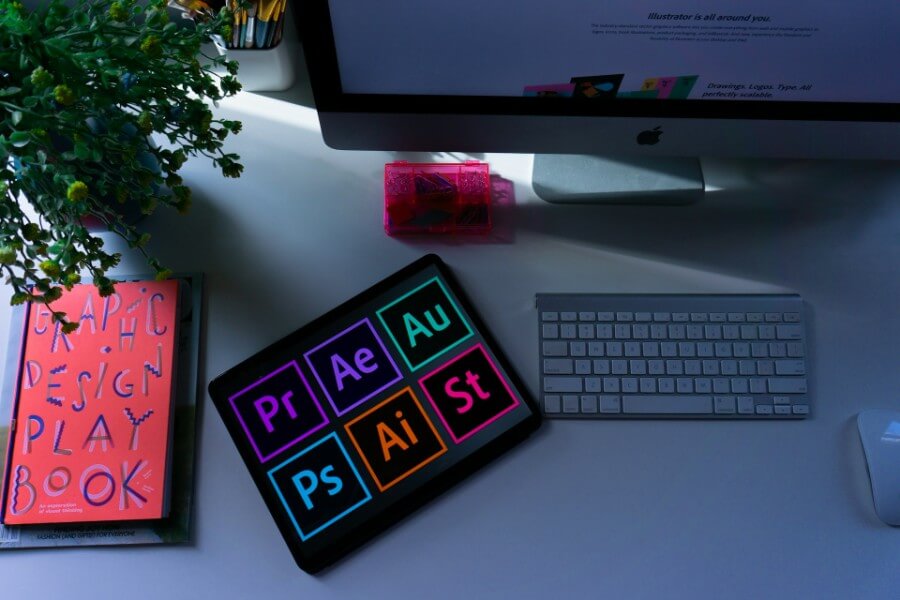
A graphic designer’s toolkit is both broad and deep. Mastery of design principles—like color theory, typography, and composition—is essential, but so is the ability to adapt those principles to a wide range of design projects. From selecting the perfect color palette to integrating illustration and photography, every detail matters. The best designers know how to use software like Adobe Creative Suite, Figma, or Sketch to bring their ideas to life, leveraging templates, features, and resources to streamline their workflow and keep their skills sharp.
But technical know-how is just the beginning. A standout graphic design portfolio is a designer’s calling card, showcasing not only their range of skills but also their unique style and creative voice. Whether you’re a student building your first portfolio or a seasoned pro updating your showcase, it’s crucial to curate projects that demonstrate versatility—think posters, branding solutions, web design, and more. Each piece should highlight your ability to solve problems, manage complex projects, and deliver results that align with client goals.
Staying relevant in the fast-paced world of graphic design means embracing continuous learning. Trends shift, new tools emerge, and client needs evolve. Successful designers make it a habit to seek out inspiration, experiment with new ideas, and incorporate feedback from clients and peers. They know that great design is rarely created in a vacuum; it’s the result of collaboration, communication, and a willingness to iterate. Using platforms like Behance or Dribbble, designers can connect with a global community, share their work, and draw inspiration from others.
Efficiency and adaptability are also key. Managing multiple projects, integrating feedback, and meeting tight deadlines require a pro plan and the ability to use one software or platform to keep everything organized. Tools like Asana or Slack help teams collaborate, while design systems and templates ensure consistency across materials. The ability to integrate new features and resources into your process can make the difference between a good project and a great one.
Ultimately, the work of a graphic designer is about more than just making things look good. It’s about crafting solutions that support business objectives, inspire users, and make a positive impact in the city and the world. Whether you’re designing for a local startup or a global brand, your ability to balance creativity with functionality, and to communicate ideas with clarity and style, is what sets you apart.
To thrive in this dynamic field, focus on building a diverse, high-quality portfolio, staying up-to-date with the latest tools and trends, and honing your communication and collaboration skills. Embrace feedback, seek out new inspiration, and never stop learning. In doing so, you’ll not only create designs that are beautiful and effective—you’ll also help shape the visual language of our world.
Case Studies in Balancing Complex Projects
Around the world, leading firms and platforms are showing that the balance between beauty and use is not only possible but essential. Their work demonstrates that function can be poetic, and aesthetics can be purposeful.
Take, for example, www.kdarchitects.net, a platform known for merging modern creativity with practical living. Their article on 2024 design explorations showcase how adaptive materials, fluid layouts, and sustainable choices come together to create spaces that are as livable as they are visually striking. The approach is a clear reminder that modern architecture thrives when it acknowledges the human experience behind every line, texture, and proportion.
This is proof that good design doesn’t force a choice between art and usability — it finds common ground where both can flourish.
Sustainability: The New Measure of Functionality in Design
Functionality today extends beyond immediate use; it now includes sustainability. A beautiful structure that wastes resources or harms the environment fails its long-term purpose. The new standard of functionality asks: does this design contribute to ecological balance, or detract from it?
Sustainable architecture integrates energy efficiency, recyclable materials, and adaptable layouts. When executed well, these features become part of the design’s aesthetic appeal — not compromises, but enhancements. A solar panel can be as elegant as a glass window if it’s designed with intention.
The Emotional Function of Beauty
Aesthetics, meanwhile, have their own kind of functionality — emotional resonance. People don’t just occupy spaces; they experience them. The color of a wall, the curve of a staircase, the feel of a material — all these sensory elements affect mood, behavior, and well-being.
Beauty gives meaning to utility. A home that welcomes light and flow fosters calm; a workspace designed with warmth and tactility can inspire creativity. Incorporating fun, playful elements into a designer project can make spaces more memorable and uplifting. The emotional layer of design turns function into something more profound: belonging.
Looking Ahead: The Future of Balanced Design
As the line between physical and digital design blurs, the next frontier will be creating experiences that seamlessly integrate both worlds. Smart homes, augmented reality environments, and adaptive spaces are redefining what “use” even means. Designers continually search for new platforms and tools to support evolving creative workflows, ensuring their projects stay at the forefront of innovation.
The challenge — and opportunity — for designers will be to make these innovations intuitive and human-centered. The more advanced our tools become, the greater the need for empathy and restraint. The future of design belongs not to those who choose between aesthetics and function, but to those who merge them into something timeless.
Final Thoughts
Balancing beauty and utility isn’t just a technical exercise — it’s an ethical one. Every choice a designer makes affects how people live, move, and feel. The greatest projects aren’t those that simply look good or work well, but those that create harmony between the two.
Ultimately, design is about connection — between creator and user, between vision and experience. When aesthetics and function align, design transcends its materials and becomes something far greater: a reflection of how we aspire to live.