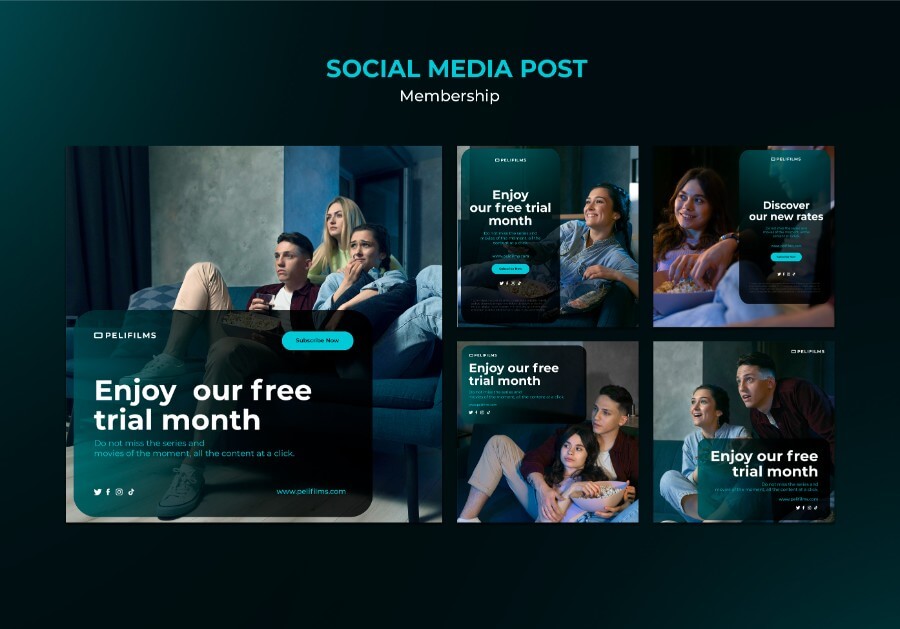
Strong social media graphics do not rely on text alone or image alone. They work because each part does a different job.
The visual creates the stop. The text creates the takeaway. When those two elements compete, the post feels busy. When they reinforce each other, the message lands faster and is easier to remember.
That matters whether you are publishing ads, promos, educational posts, or brand storytelling. For related production workflows, it is worth pairing this article with social media images, social graphics that drive action, and platform-specific design tips.
The job of the image and the job of the text
The image should usually handle one of these jobs:
- attract attention
- set mood
- create context
- show the product or scenario
The text should usually handle one of these jobs:
- name the offer
- clarify the point
- frame the takeaway
- direct the next action
Problems start when both layers try to do everything. A graphic packed with heavy copy and a highly detailed image often feels slower to process than either one used well.
Rules for pairing text and visuals clearly
1. Build around one message
Every social graphic should have one main takeaway. If you need three different points, you probably need a carousel, not one graphic.
2. Let the image carry the emotion
Use the image to establish tone, energy, or relevance. Then let the text make the meaning explicit. This split usually feels more natural than forcing the text to do all the work.
3. Put text where the eye can rest
Do not place important copy over the busiest part of the image. If the background is detailed, add space, shape contrast, or a text container so the message stays readable.
4. Match text density to post type
Promotional graphics usually need less text than educational graphics. A sale banner might need only an offer and CTA. An educational post might need a tighter headline plus one supporting idea.
5. Repeat recognizable brand cues
Color, type, spacing, and image treatment should repeat enough that followers recognize the post before they read it. Consistency is part of clarity.
If layout clarity is a recurring challenge, also review cleaner image-and-type pairing in graphic design.
Examples by post type
Ads
For ads, the image should create immediate relevance and the text should keep the value proposition obvious. Do not waste the graphic on a vague slogan if the ad has a specific offer.
Promos
For promos, let the image support the campaign and let the text carry the practical information. Shoppers should know what is being offered without reading a long caption.
Brand posts
For brand-led posts, the image can do more of the emotional work. The text should still anchor the message so the post does not become visually nice but strategically vague.
Educational posts
For educational posts, the text often needs to work harder, but the image still matters. Use it to simplify the concept, create hierarchy, and make the learning point easier to scan.
A short note on platform differences
You do not need a completely different design language on every platform, but you do need to respect how people scan each one.
- Feed posts need a fast first impression.
- Story-style placements need larger text and simpler focal points.
- Professional platforms usually reward clarity over visual noise.
That is why reusable templates matter. They let you keep the message system consistent while adapting the layout for each format.
Quick content check before publishing
- Is the post built around one main message?
- Does the image support the text instead of repeating it awkwardly?
- Is the text readable without zooming?
- Would someone understand the point in a few seconds?
- Does the design still feel like your brand?
Final take
The best social graphics do not just look good. They communicate clearly at scrolling speed.
If your team publishes recurring social formats, a template-based workflow in Pixelixe can make that consistency easier to maintain without rebuilding each layout from scratch.