Static advertising is often ignored. Conversely, advertising that includes moving imagery almost always commands attention. In most advertising categories, grabbing consumer attention is increasingly challenging. Innovative technology and creative thinking must be utilized.
Lenticular printing is an innovative technology that generates moving images and creates depth and visual surprises. The idea behind lenticular printing involves designing images and leveraging the unique properties of lenticular sheets to achieve striking 3D or motion effects.
This blog discusses lenticular printing technology and why it is an effective advertising tool, highlighting its value as a versatile medium for high-impact visuals.
What Makes Lenticular Printing Unique?
Lenticular printing is a printing technology that places a sheet of plastic lenses on top of the layered images. The printed images seem to move as a viewer’s angle changes, and these effects are created by view changes. The effects created can be animation, depth, and flipping of images. Creative lenticular marketing designs can turn passive viewing into active participation.
What Can Lenticular Printing Do?
Produce animated advertising.
Create advertising that has the ability to flip between images.
Create advertising that can zoom and morph images.
Create advertising that can provide a 3D effect without the use of 3D glasses.
Lenticular printing has the ability to make advertising materials come to life.
History and Development
Lenticular printing has a fascinating history that stretches back to the early 20th century. The first experiments with lenticular technology began in the 1930s, as inventors explored ways to create images that could change or appear three-dimensional when viewed from different angles. By the 1950s, lenticular art and advertising started to appear commercially, captivating audiences with their dynamic visuals.
Over the decades, lenticular printing has evolved significantly. The introduction of digital and inkjet printing methods has allowed for greater precision and more vibrant lenticular images. Today, lenticular technologies are used not only in advertising but also in fine art, packaging, and even collectibles. Advances in materials and manufacturing have led to the development of high-quality lenticular lenses and sheets, making it possible to produce images with stunning clarity and depth. As new technology continues to emerge, lenticular printing remains at the forefront of innovative visual communication.
Key Components
The magic of lenticular printing lies in its unique combination of components. At the heart of the process is the lenticular lens—a specially designed plastic sheet made up of tiny, parallel lenses. These lenses refract light in such a way that, as the viewing angle shifts, different images or frames become visible, creating the illusion of motion or depth.
Beneath the lens is the lenticular image itself. This image is created by interlacing multiple distinct images or frames into a single file. The interlacing process ensures that each image aligns perfectly with the corresponding lens segment. The final step involves printing the interlaced image directly onto the back of the lenticular sheet, usually using high-resolution printing technology. The result is a lenticular picture that can flip, animate, or appear three-dimensional, depending on how the viewer moves in relation to the print. This interplay of lens, image, and light is what gives lenticular printing its signature visual impact.
Why Does Lenticular Printing Work So Well with a Lenticular Lens?
People are attracted to movement. It could be a slight motion or a large theatrical movement.
When planning and executing a lenticular printing project, careful preparation ensures the final product delivers maximum visual impact and meets the specific goals of the campaign.
Lenticular printing is effective because it creates the illusion of motion or depth, which naturally draws the eye and holds attention. This unique effect helps brands stand out and engage customers, making their message more memorable.
Additionally, using fewer frames in a lenticular print will make each frame show more distinctly, enhancing the overall visual effect.
Why Lenticular Images Are Different From Other Images?
They change as the user shifts their point of view, causing the image to shift and reveal different visuals.
It gives them a sense of participation.
It gives a break to the visual continuity.
It gives them a sense of novelty.
Lenticular images are perfect for places that have a lot of competition for attention. Examples are retail display, outdoor advertising, and trade fairs.
Create Users Automatic Brand Recall
Seeing something and snapping a picture in your mind for future reference are two opposing things. With lenticular printing, people interact with the print, which is created by combining multiple image layers to produce engaging visuals with depth and motion effects. It guarantees that the brand will come to mind when they see the print later on.
A good lenticular design should keep some elements stable from one frame to the next to look cleaner, which helps with brand recall.
How Lenticular Printing Supports Brand Memory
Motion makes visuals more engaging
Interactive elements boost emotional response
Unique designs reduce forgettability
People’s recall of your brand increases with the recall of the visuals. It gives a competitive edge in your field.
For example, a lenticular print can show a product transformation—such as a before-and-after image—so that viewers remember your brand whenever they see that change.
Applications of Lenticular Printing Across Industries
Lenticular printing is used in many other industries apart from advertising. Companies across different sectors utilize lenticular printing to deliver innovative solutions for their clients, ensuring high-quality results and building long-term relationships. When integrated into broader campaigns, it complements essential tools for visual content creation that marketers use to plan, produce, and distribute high-impact visuals. It is the flexibility of lenticular printing and its ability to cross boundaries. This quality makes lenticular printing so useful in various industries.
Lenticular printing has evolved from a novelty item to a powerful creative marketing tool, now widely used in packaging, promotional items, and advertising.
Brand Application Examples
Showcase Products in Retail Displays
Packaging with Illusion-Based Visuals
Outdoor Campaigns Posters and Billboards
Event Signage and Graphics at Trade Shows
Promotional Material Such As Folders or Cards
Brands turn to lenticular printing for impact rather than just visibility,
Lenticular Prints Help Storytelling
Each brand has a story, and lenticular printing tells it in stages. By selecting an object as the focal point and dividing the scene into foreground and background, you can guide the viewer’s attention and create a more compelling narrative with lenticular prints. It helps brands to offer the following with just one print:
Depict transformations
Before and after
Convey many messages
Lenticular printing is a multi-step process that consists of creating a lenticular image from at least two images and placing it behind a lenticular lens.
Lenticular Printing Storytelling Methods
Images that change to show a product evolution or upgrade within one image
Highlights of certain features with image Flipping
Emotional dichotomy of two different scenes, where selecting the right focal plane (foreground, middle-ground, or background) is key to achieving the desired 3D effect and depth perception (word)
Reveals of calls to action
All these techniques, paired with layered storytelling, can convey ideas more effectively.
The lenticular printing process involves interlacing multiple images into a single file, which is then printed behind a lens sheet to create depth or animation effects.
Manufacturing Process
Creating a lenticular print is a multi-step process that blends creativity with precision engineering. It begins with the design phase, where specialized software is used to create the lenticular image by interlacing multiple frames or distinct images. This step is crucial for ensuring that the final effect—whether it’s motion, flip, or 3D depth—appears seamless to the viewer.
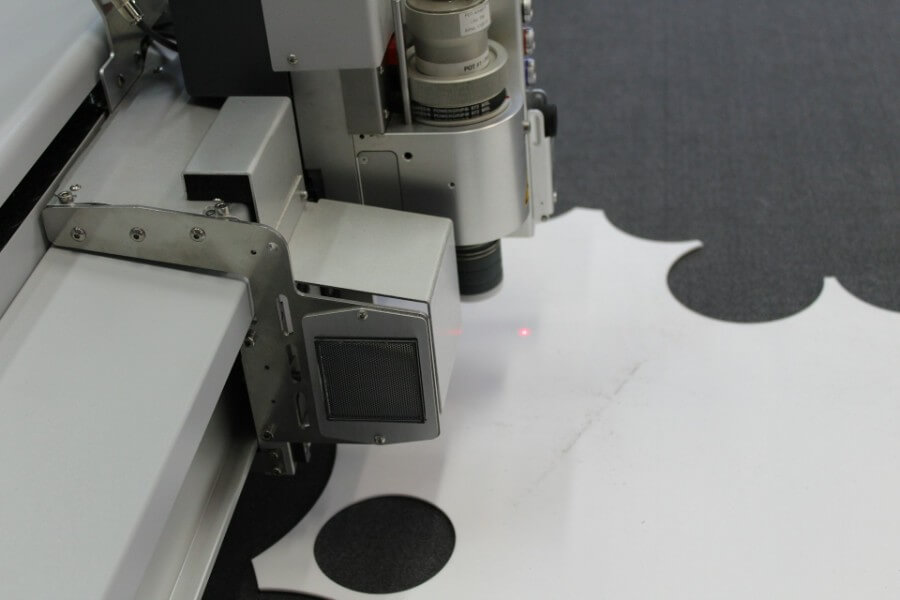
Next comes the printing stage. Using new technology such as high-resolution inkjet or offset printers, the interlaced image is printed directly onto the lenticular sheet. The choice of printing method depends on the desired quality and quantity of the final product. Once printed, the lenticular sheet is carefully aligned and trimmed to the required size and shape. This finishing process ensures that the lenticular effect is consistent across the entire image. Thanks to advancements in lenticular technology, today’s manufacturing process is more efficient and capable of producing high-quality lenticular prints for a wide range of applications.
Materials and Finishing Options
Lenticular printing offers flexibility when it comes to materials and finishing options. The lenticular sheet itself can be made from various materials, including durable plastic for long-lasting displays or paper for more cost-effective projects. The choice of material affects not only the look and feel of the final print but also its durability and clarity.
Finishing options play a key role in enhancing the visual appeal and longevity of a lenticular print. The sheet can be printed on one side for standard applications or on both sides for double-sided displays. After printing, the lenticular sheet can be cut, trimmed, or even laminated to protect the image and improve its tactile quality. Adjusting the resolution during the printing process allows for fine detail and sharp clarity, ensuring that every layer of the lenticular image stands out. Whether used for packaging, promotional materials, or art, the right combination of material and finishing can make a lenticular print truly unforgettable.
Why Is Lenticular Printing More Expensive?
Lenticular printing has a different look and feel. It is associated with a sense of quality and innovation. The feel and look, and the depth, create a sense of quality. It implies that brands are innovative and on top of details.
Perceived Benefits
Higher perceived value of the product
Improved First Impression
Better Alignment with Luxury Branding
Lenticular printing offers brand credibility for high-end target brands from the outset.
Customers consistently report high satisfaction with lenticular printing, noting how it helps them achieve marketing goals and fosters long-term relationships.
The use of lenticular prints is best accompanied by intelligent design.
Lenticular printing is often preferred for applications due to its lower cost and ease of use compared to holography.
Guidelines for Exceptional Impact
Make visuals straightforward
Embracing motion for effect: Use motion or flip effects to grab attention, but ensure the clarity of the effect by considering the arrangement of pixels and the alignment of lines within the lenticular lens structure.
Avoid excessive layout designs
Evaluation of viewing angles
Good design, combined with good printing, equates to visual impact. Lenticular printing requires precise alignment of the interlaced images with the lenticular lenses to avoid ghosting and ensure clear image definition.
Measuring the Effectiveness of Lenticular Prints
The true value of lenticular printing lies in its ability to create high-impact visuals that leave a lasting impression. Brands can measure the effectiveness of lenticular prints by evaluating how well they capture attention and enhance branding efforts. The lenticular lens creates motion or depth effects that naturally draw the eye, making graphics more engaging and memorable.
Lenticular prints are especially effective at creating a sense of space and distance, which can make products or messages stand out in crowded environments. By using lenticular technology, companies can produce unique graphics that differentiate them from competitors and increase customer engagement. The impact of a lenticular print can be assessed through metrics such as increased foot traffic, higher recall rates, and improved customer interaction. Ultimately, the combination of motion, depth, and visual clarity provided by lenticular printing helps brands create a powerful impression that resonates with viewers long after they’ve seen the display.
What Challenges Brands Should Anticipate
When it comes to lenticular printing, there is power within. However, one common challenge is the occurrence of ghosting, a visual defect where faint residual images from previous frames are visible in the current view, often caused by improper registration or poor image calibration. Achieving accurate 3D effects also depends on precise alignment of the left image or mask during the interlacing process, which is crucial for proper depth perception.
It is important to note that lenticular printing and holography are two different technologies that can both create the illusion of depth on a flat image.
Common Issues Include
Image misalignment (can often be corrected by using the arrow key to nudge image layers for precise alignment)
Wrong lens choice
Excessive motion use.
The work of specialists ensures that the intended impact is realized. If you are interested in learning more about solving these issues, please reach out for further information.
Conclusion
Lenticular printing allows brands to step away from flat imagery. It provides printed communication with motion, depth, and interactivity. This fosters increased attention and improved brand recall and perception. For brands that desire impactful visuals, lenticular printing presents an excellent, innovative opportunity.
If you are interested in purchasing lenticular printing services or want to learn more about licensing options, please contact us for further information.
Lenticular printing is distinct from holography, as it is a print process that does not require special lighting and can be viewed under normal conditions.