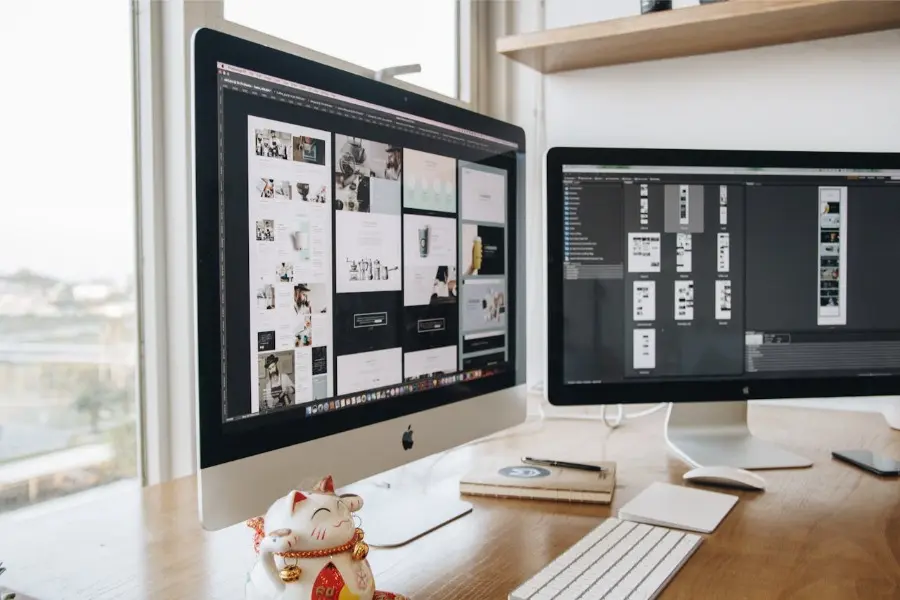
In today’s fast paced business environment, creating high quality presentations is more important and more time pressured than ever. Whether pitching to clients, reporting to stakeholders, or educating team members, polished slides can make or break your message.
Traditionally, producing professional presentations has been a time intensive process, often requiring specialised design skills or external agency support. But the emergence of artificial intelligence (AI) is reshaping how presentations are created, from concept to delivery, streamlining workflows and empowering teams of all skill levels. This article explores how AI can transform your presentation design process, offering practical insights and evidence from recent developments.
Understanding the Creative Automation API in Traditional Presentation Design Workflow
Before we look at how AI reshapes the process, it’s useful to understand the challenges inherent in traditional workflows.
Most organisations begin with an outline or script, move on to drafting draft slides, adjust layouts, select visuals, align branding, and then iterate through multiple rounds of feedback. This can involve painful manual tasks such as formatting slides, choosing colour schemes, creating or sourcing graphics, and ensuring visual consistency across the deck.
For non designers in particular, this manual work can be a major bottleneck, and manual design work is often a significant hurdle for teams aiming for efficiency. This inefficiency not only delays delivery but also detracts from the time available for strategic thinking and rehearsal. Mundane tasks and manual design work represent a significant hurdle in traditional workflows, limiting the creative team’s ability to focus on higher-value activities.
AI in Presentation Design: An Overview
Artificial intelligence isn’t just a buzzword; it’s a set of technologies that analyse input data, recognise patterns, and produce outputs like visuals, layouts, and content suggestions with minimal human intervention. In presentation design, AI tools can automate many of the repetitive tasks that clog up creativity and productivity.
For example, AI enhanced platforms can generate entire slide decks from a text prompt, automatically apply branding, and ensure visual harmony across slides. One enterprise grade example is the LuminaSlides AI platform, which can turn a rough topic into a polished 15 slide deck in under a minute, complete with high resolution images and brand guideline compliance.
Key Benefits of Using AI in Presentation Design
Introduction to Creative Automation
Creative automation is revolutionizing the way marketers and designers approach content creation. By leveraging advanced AI tools and automated workflows, creative teams can now produce high-quality, personalized creative assets—such as images and videos—at scale, all while maintaining strict brand consistency. This shift allows businesses to streamline their creative workflow, significantly reducing production time and freeing up designers and marketers to focus on strategic, high-value tasks rather than repetitive, mundane work.
With creative automation platforms, teams can generate images, videos, and other creative assets in multiple formats tailored for different marketing channels. This not only boosts productivity but also ensures that creative content is automatically adjusted to meet the requirements of various campaigns and audience segments. For performance marketers, the ability to quickly produce and iterate on creative assets means faster campaign launches and improved creative performance. Ultimately, creative automation empowers creative teams to scale their output, maintain brand standards, and drive better results across all marketing efforts.
Getting Started with Automation
Embarking on the journey toward creative automation begins with a clear understanding of your current creative workflow and the identification of repetitive tasks that can be automated. Common candidates for automation include ad production, content localization, and image generation—tasks that often consume significant time and resources. By pinpointing these areas, businesses can prioritize where automation will have the greatest impact.
The next step is selecting a creative automation platform that seamlessly integrates with your existing workflows and marketing channels. Look for solutions that offer dynamic templates, automated workflows, and robust performance data to help optimize creative performance. Starting with a small pilot project allows teams to test the platform’s capabilities, refine processes, and build confidence before scaling up. By gradually expanding automation across more tasks and channels, businesses can ensure a smooth transition and maximize the benefits of creative automation, from faster production to more dynamic, data-driven creative output.
Choosing the Right Platform
Selecting the ideal creative automation platform is a critical decision that can shape the success of your creative production efforts. The best platforms offer a comprehensive suite of features, including dynamic template creation, automated workflows, and seamless integration with multiple marketing channels. Access to detailed performance data and analytics is essential for optimizing creative performance and managing ad spend effectively.
When evaluating platforms, consider not only their technical capabilities but also the level of support and training they provide. Scalability and flexibility are key—your chosen platform should be able to grow with your business and adapt to changing creative needs. Popular creative automation platforms like Hunch, Celtra, and Marpipe each bring unique strengths, so it’s important to assess which aligns best with your specific requirements. By carefully weighing these factors, businesses can select a platform that empowers their creative teams, enhances automation, and delivers measurable results.
1. Time Savings and Efficiency Through Creative Automation
Time savings are often the most tangible benefit of integrating AI into presentation workflows. Many AI tools significantly reduce the time required to create visuals and lay out slides. By leveraging an automation tool, teams can streamline the entire process and generate automated outputs that consistently adhere to brand guidelines and templates, ensuring brand consistency across all campaigns.
According to industry examples, the adoption of AI can cut design time dramatically, with some case studies reporting up to a 70 % reduction in preparation time for slide decks compared with manual methods.
This efficiency gain gives professionals, from salespeople to educators, more time to refine their message and focus on delivery rather than design.
2. Enhanced Visual and Brand Consistency
Maintaining consistent visual style across a deck isn’t just aesthetic, it reinforces credibility and brand recognition. Automation enables brands to maintain consistency across all creatives, ensuring that every visual asset aligns with brand guidelines regardless of scale or channel, especially as teams adopt machine learning–driven graphic design automation. AI tools can automatically apply corporate colours, fonts, and layout principles across an entire presentation, reducing the risk of inconsistent slides or misplaced elements.
Consistency was previously the domain of experienced designers; now, AI driven templates and branding engines ensure every slide conforms to your visual identity without manual tweaking.
3. Automated Content and Design Suggestions
AI doesn’t just automate layout tasks, it can also make intelligent suggestions, particularly when used in automated AI image generation workflows. Modern tools analyse your content, identify themes, and recommend relevant visuals, data charts, and narrative structures that enhance clarity and impact. This has made presentation creation more accessible to teams without formal design backgrounds.
As noted by presentation workflow analyses, AI can optimise colour palettes, font pairings, and slide arrangements, all with minimal input. Additionally, AI enables creative testing by allowing users to generate variations and multiple versions of slides, making it easier to test and optimize different creative approaches for maximum effectiveness.
4. Democratizing Design Expertise for Creative Teams
In the past, professional presentation design often required specialist skills or reliance on external agencies. AI is democratizing access to design by empowering non designers to produce high quality visuals quickly, while also pushing professional designers to stay relevant in the age of AI by focusing on uniquely human skills. Automation is also allowing creative teams and enabling teams to focus on more strategic creative work, as repetitive tasks are handled efficiently and teams can dedicate more time to high-value creative activities, such as crafting social media images and copy that work together to reinforce key presentation messages across channels. Tools such as Canva’s AI enhanced “Magic” features enable users to generate professional graphics and slide layouts without extensive training.
This shift means organisations of all sizes can produce polished presentations without disproportionate investment in design teams.
5. Improved Collaboration and Creative Workflow Integration
Presentation projects often involve multiple contributors, from content authors to subject matter experts and reviewers. AI enabled platforms support better collaboration by standardising design elements and tracking changes intelligently. Additionally, creative automation streamlines content production for different channels and markets, enabling teams to efficiently produce and adapt marketing assets at scale with minimal manual effort, especially as they tap into emerging marketing automation trends that emphasise personalization and data-driven optimisation.
Modern AI presentations engines can integrate with collaborative workspaces and streamline version control, making it easier for teams working across time zones or departments to co create decks.
Real World Examples: AI in Action
Beyond theoretical benefits, organisations are already seeing measurable improvements from AI powered presentation design workflows.
An illustrative example comes from Pitchworx’s work with a Fortune 500 company, where AI enhanced presentation techniques reduced design time by 65 % for complex investor decks. Post implementation surveys showed a 90 % improvement in brand consistency across slides, as well as a 45 % increase in audience engagement, measured through post presentation feedback. (pitchworx.com)
In another scenario, enterprise tools like LuminaSlides AI have demonstrated how raw ideas can be converted into edit ready .PPTX files with integrated high resolution visuals and narrative flow in under a minute, a task that traditionally took hours. (indapoint.com)
Integrating AI Tools with Expert Design Services
While AI can dramatically accelerate and enhance presentation design, its value is maximised when combined with human expertise. AI excels at pattern recognition and process automation, but professional designers bring strategic insight, emotional intelligence, and nuanced storytelling, qualities that AI alone cannot replicate.
The most effective workflow involves using AI to handle initial draft generation, layout suggestions, and routine tasks, followed by human refinement to tailor messaging, tone, and audience engagement. For organisations in the UK, engagingLondon powerpoint presentation design specialists alongside AI tools ensures presentations are visually compelling, brand consistent, and professionally refined.
This hybrid approach delivers not just beautiful slides, but persuasive presentations that resonate with audiences.
Challenges and Considerations
AI isn’t a flawless solution. Automated systems can sometimes produce generic or overly similar outputs, particularly if teams rely on default templates without customisation. Moreover, AI may misinterpret prompts or produce inaccuracies in data visualisation without careful review from a human editor.
Security and intellectual property are also considerations, especially when using AI platforms to process sensitive content or proprietary data. Organisations should assess compliance, privacy policies, and workflow integration risks before widespread adoption.
Future Trends in AI Powered Presentation Design
Looking ahead, AI’s role in presentation design is set to expand further. Innovations on the horizon include real time narrative optimisation, voice assisted slide creation, and adaptive presentations that adjust content dynamically based on audience feedback or engagement data. As AI becomes more sophisticated, these capabilities will allow organisations to craft more personalised and impactful messaging at scale.
In addition, integration with collaborative workspaces and data platforms will enable presentations to pull in live data and visualise insights in real time, a game changer for sectors such as finance, consulting, and education.
Conclusion
AI is transforming presentation design from a time consuming chore into a streamlined, accessible, and highly effective workflow. By automating repetitive tasks, ensuring visual consistency, and empowering non designers with intelligent suggestions, AI tools are helping teams deliver better presentations faster than ever before.
The key to success lies not in replacing human designers, but in augmenting human creativity with AI efficiency. When AI and expert design services work together, whether within in house teams or through specialised agencies, organisations can produce presentations that are both visually compelling and strategically impactful.
As AI continues to mature, it will usher in a new era of presentation workflows that are faster, smarter, and more connected, transforming how we communicate ideas in every industry.
Measuring Success in Automation
To truly understand the impact of creative automation, businesses must track the right key performance indicators (KPIs). Important metrics include production time, creative quality, brand consistency, and overall campaign performance. Monitoring these KPIs before and after implementing creative automation provides clear insights into its effectiveness.
Additionally, tracking the number of ad variations generated, the time invested in creative production, and the return on ad spend helps quantify the value of automation. Leveraging data and analytics enables businesses to make informed decisions, optimize their creative production processes, and continually improve creative quality. By focusing on these measurable outcomes, organizations can ensure that their investment in creative automation delivers tangible improvements in efficiency and performance.
Best Practices for Implementation
Successful creative automation implementation hinges on a thoughtful approach that balances scalability, flexibility, and creativity. Begin by thoroughly mapping your creative workflow and identifying where automation can deliver the most value. Choose a platform that integrates smoothly with your existing workflows and marketing channels, ensuring minimal disruption and maximum synergy.
Investing in comprehensive training and ongoing support for your creative teams is essential, as it enables them to fully leverage the platform’s capabilities. Establishing a feedback loop—where creative performance is continuously monitored and optimized—ensures that automation enhances, rather than hinders, creative expression. By following these best practices, businesses can unlock the full potential of creative automation, empowering their teams to produce high-quality, brand-consistent creative content at scale and drive superior campaign performance.