
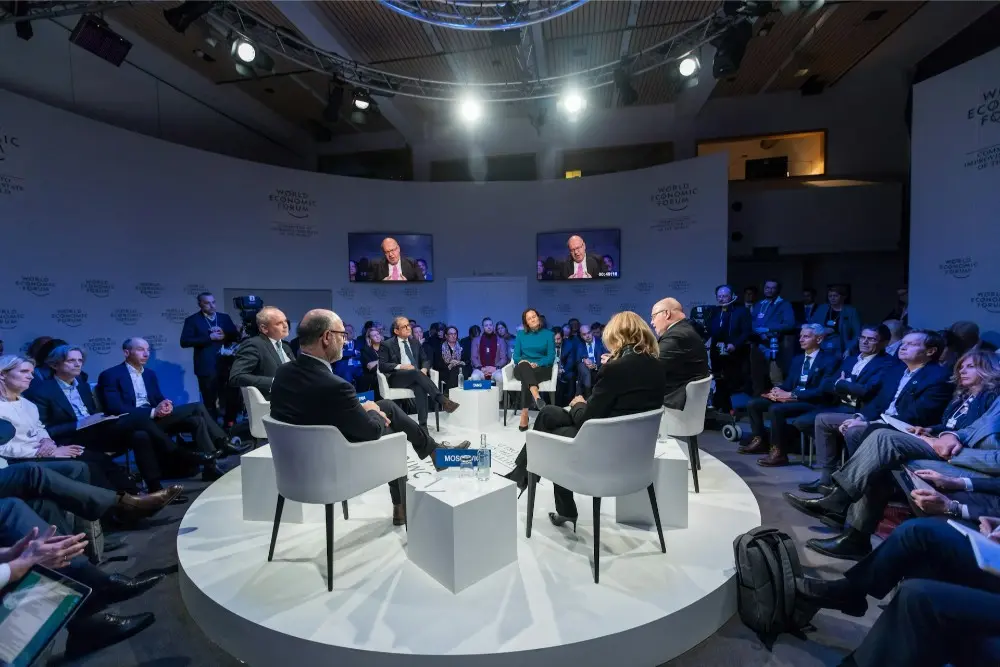
Your last corporate event probably featured a DJ, a photo booth, and a keynote that most people tuned out of by the third slide. You’re not alone. The expectations for corporate entertainment are rising quickly.
Attendees in 2026 want to be active participants, not just passive observers. This guide highlights the entertainment ideas that are making waves and are worth considering for your next event.
Why Most Corporate Event Marketing Still Misses the Mark
Here is an uncomfortable truth: Many corporate events are forgettable. Companies invest heavily in venues, catering, and production, often to fulfill broader organizational objectives, yet continue to rely on the same tired formats that stopped impressing years ago.
The data reinforces this. According to Gallup’s 2025 State of the Global Workplace report, global employee engagement stands at just 21%. This lack of engagement is not just a management issue; it is also an event issue.
If your team is already feeling disconnected at work, a generic awards dinner or lecture-style conference won’t make a difference. Meanwhile, the corporate events market was valued at over $326 billion in 2025 and is projected to keep climbing. Companies are clearly ready to invest. The problem is not the budget. It is the creativity. Collecting information from attendees is crucial to understanding their preferences and improving future events.
The events that actually land in 2026 share a few things in common:
Prioritize interaction over observation
Give attendees choices instead of a single track
Blend entertainment with genuine takeaways
Feel personal rather than one-size-fits-all
Effective market planning helps align event formats with attendee expectations, ensuring that events are both engaging and strategically designed.
Let’s get into what that looks like in practice.
The Keynote Is Evolving
For years, the keynote was the centerpiece of every corporate event. But somewhere along the way, it became the part people endure rather than enjoy. You know the format: a speaker clicks through 40 slides, drops a few motivational quotes, and wraps up with a Q&A that three people participate in.
That model is losing ground fast. According to the 2024 Speaking Industry Benchmark Report, 67% of event planners now rank audience engagement as their single biggest priority when booking a speaker. Not celebrity status. Not topic expertise alone. Engagement.
The result is a growing trend of speakers who blend entertainment with education. Instead of speaking to the audience, they draw people in through psychology, live interaction, and performance. Corporate keynote speaker Christophe Fox is a worthy example of where this trend is heading. He combines mentalism, such as live mind-reading and psychological demonstrations, with motivational storytelling.
The audience stays actively engaged and walks away with actionable insights about decision-making and influence. Effective communication from the speaker is essential to keep audiences engaged and ensure the message resonates. Companies like Deloitte and Amazon have booked him repeatedly, which says something about the format’s staying power in corporate settings. The broader takeaway is that the most effective keynotes in 2026 feel like experiences, not presentations. If your event still features someone reading bullet points from a podium, it might be time for an upgrade.
Tech-Forward Entertainment Worth the Investment
Technology at corporate events used to mean slideshows and microphones. In 2026, things are much more exciting. Here are some tech-based entertainment options to consider:
| Tech Entertainment | Best For | Budget Level |
|---|---|---|
| AI photo booths | Brand activations, galas | $$ |
| Drone shows | Outdoor events, product launches | $$$ |
| VR team experiences | Team building, retreats | $$ |
| AR scavenger hunts | Large venues, multi-day events | $$ |
| Interactive LED walls | Conferences, trade shows | $$$ |
| AI photo booths generate instant themed portraits that are immediately shareable on social media. This is a major step up from the standard prop-and-backdrop setup. To get the most out of that momentum, it helps to have cohesive branding across your social platforms so the content feels on-brand wherever it lands. Applying an intentional approach to creating social media images and copy that work together ensures every shared photo, clip, or recap post reinforces the same message and feel. | ||
| Drone shows are replacing fireworks at high-budget outdoor events, with custom formations that can display logos or messages. To maximize their impact, finalize your visual branding before the event, drawing inspiration from visual strategies for marketing live events so every formation and display supports the story you’re telling. These shows offer more flexibility and are environmentally friendly. When planning drone shows or interactive LED walls, it’s important to coordinate with venue staff to ensure all logistics and technical requirements are communicated and executed smoothly. |
VR experiences work especially well for team building, getting small groups to problem-solve together in a completely different environment. They also provide a unique way to enhance communication and collaboration.
For all tech-based entertainment, having a clear communication plan is essential to coordinate every element before, during, and after the event, ensuring seamless execution and a memorable attendee experience.
Interactive Experiences and Mobile Event App Features That Get People Out of Their Seats
Corporate events are changing quickly. The relationship between speakers and planners continues to shape the content of the main stage. However, beyond that, the best corporate events in 2026 are incorporating hands-on entertainment that actively encourages participation. Modern corporate events use various methods—such as interactive games, immersive experiences, and storytelling—to encourage participation and engagement among attendees. Here are some formats that are gaining significant traction:
Culinary team challenges: Competitive cooking classes where departments go head-to-head. It’s part team building, part entertainment, and everyone eats well at the end.
Mobile escape rooms: Customizable storylines tied to company themes or product launches make them feel relevant rather than generic.
Silent discos: Attendees wear wireless headphones and choose between DJ channels. This solves the noise problem and looks hilarious from the outside, which adds to the fun.
Live art installations: A live painter or digital illustrator captures the event in real time, giving attendees something unique to watch and a visual keepsake.
Casino nights for charity: Poker and blackjack with play money, converted into donations at the end. It adds stakes without the awkwardness of actual gambling at a work event. These events can also incorporate sales promotions, such as branded prizes or exclusive offers, to boost engagement and increase brand awareness.
The common thread is choice. When given options and the freedom to choose, people engage more actively than when forced to follow a single path. Interactive experiences like these not only entertain but also help companies connect with prospective customers in a memorable way, strengthening relationships and leaving a lasting impression.
Low-Key Options That Still Make an Impact
Not every event needs a six-figure production budget. Some of the most memorable moments come with simpler, more personal touches.
Comedy shows tailored for corporate audiences are a reliable crowd-pleaser. A good corporate comedian reads the room, keeps things work-appropriate, and gives people a shared laugh that carries into the rest of the event.
Game show formats inspired by classics like trivia nights or “Family Feud” are easy to customize around company culture or industry knowledge. They are inclusive, low-pressure, and surprisingly competitive once teams start keeping score.
Wellness experiences are also gaining ground, especially at multi-day retreats. Guided breathwork sessions, watercolor painting workshops, or even outdoor yoga give attendees a chance to decompress between higher-energy programming. The contrast improves the effectiveness of both types of activity.
And sometimes the simplest ideas hit hardest. A “guess the baby photo” wall or a quirky-facts guessing game costs almost nothing but sparks real conversations between people who might not interact otherwise.
After the event, showing appreciation to attendees, vendors, and staff is essential for building lasting relationships and fostering goodwill.
Sending thank you notes is a thoughtful way to recognize everyone’s contributions and maintain goodwill, ensuring these personal touches contribute to the event’s success.
FAQs
How Mobile Event Apps Are Changing Entertainment
Mobile event apps are rapidly transforming the landscape of corporate event entertainment, becoming a cornerstone of any effective marketing strategy in 2026. These digital tools are more than just a convenience—they’re a game-changer for event communication, attendee engagement, and brand loyalty.
Today’s event organizers are leveraging mobile event apps to streamline every aspect of the attendee journey. From the first marketing campaign to the final thank you note, these apps serve as a central hub for communication channels, content marketing, and real-time updates. By integrating digital marketing tactics such as search engine optimization and inbound marketing, organizers can create awareness and attract potential attendees long before the event even begins.
The American Marketing Association defines marketing as the activity, set of institutions, and processes for creating, communicating, delivering, and exchanging offerings that have value for customers, clients, partners, and society at large. In the context of event marketing, mobile event apps embody this definition by enabling organizers to deliver tailored experiences that resonate with their target audience. Through features like push notifications, live polling, and group chat, event planners can foster two-way communication, encourage participation, and gather vital information for market research and future events.
Mobile event apps also play a pivotal role in shaping a brand’s identity and competitive advantage. By customizing the app’s interface and content to reflect the overall theme and marketing mix of the event, companies can reinforce their brand identity and create a cohesive experience that stands out in the entire industry. These apps support viral marketing by making it easy for attendees to share content, participate in scavenger hunts, and engage with interactive elements that boost customer interest and lead generation.
Effective event communication is at the heart of every successful event, and mobile event apps make it easier than ever to keep everyone on the same page. Organizers can use these apps to distribute important details, send timely push notifications, and manage a communication schedule that ensures no one misses out on key moments. Features like live polling and group chat not only enhance engagement but also provide valuable insights into attendee preferences, helping companies refine their marketing strategy and improve product offerings for future events.
In summary, mobile event apps are redefining what it means to create memorable, engaging, and effective corporate events. By harnessing the power of digital marketing, content marketing, and advanced communication tools, event organizers can deliver experiences that drive brand loyalty, generate buzz, and set the stage for ongoing success. Whether you’re planning a trade show, private event, or industry conference, integrating a mobile event app into your event marketing strategy is no longer optional—it’s essential for staying ahead in a competitive market.
How far in advance should I book entertainment for a corporate event?
For high-demand performers and speakers, booking six to twelve months in advance is ideal, especially for Q4 events. Simpler entertainment, like photo booths or game shows, can usually be arranged with two to three months of lead time. Start early to secure your top choices and avoid last-minute compromises.
What’s a realistic budget for corporate event entertainment?
It varies widely depending on the format. Keynote speakers typically range from $10,000 to $50,000, while interactive experiences like escape rooms or cooking classes might run $2,000 to $10,000. Tech activations like drone shows sit at the higher end. Prioritize one or two standout experiences over spreading the budget thin across many mediocre ones.
How do I choose entertainment that fits my company culture?
Start with the goal of the event. Is it team building, client appreciation, or a product launch? Match the entertainment to the energy you want in the room. A younger, tech-forward team might love VR experiences, while a more traditional group could prefer live music or a comedy show. When in doubt, give attendees options.
Are virtual or hybrid entertainment options still relevant in 2026?
Yes, but their role has shifted. Most events are now in person again, but hybrid elements, such as livestreamed keynotes or virtual team challenges for remote employees, help extend the reach. Consider hybrid as a complement to the live experience, not a replacement.
Key Takeaways
Marketing refers to the strategies and activities used to promote events and engage audiences, ensuring your corporate event reaches and resonates with the right people.
A company promotes its events and offerings through both digital and traditional channels, leveraging tools like social media, public relations, and targeted advertising.
Selecting the right distribution channels, such as online platforms, event websites, and even physical stores for ticket sales or merchandise, is crucial for maximizing event reach and accessibility.
Event marketing strategies should focus on attracting potential customers and potential buyers, using SEO to optimize visibility on search engines and improve ranking in search results.
Public relations plays a key role in managing event communications and securing positive post-event coverage.
Collecting attendee feedback supports product improvement and helps create better future events.
Engaging other businesses and other stakeholders through B2B events and partnerships expands your event’s impact and value.
If ticketing is involved, setting prices is an essential part of the event marketing mix to attract the right audience.
Following general timeline rules ensures all event planning and marketing activities are coordinated and deadlines are met.
Benchmarking your event strategies against others in the same industry helps identify best practices and stay competitive.
Email marketing is vital for pre- and post-event communication, supporting attendee engagement and follow-up.
Your event website should serve as the central hub for all event information and updates, streamlining communication.
The marketing agenda is shaped by key deadlines and communication milestones, guiding your promotional efforts from planning to execution.
Corporate event entertainment in 2026 is shifting toward interactive, experience-driven formats over passive observation.
The traditional keynote is evolving. Speakers who blend performance and substance are surpassing traditional lecture formats.
Audience engagement is the top priority for 67% of event planners when selecting speakers.
Tech options like AI photo booths, drone shows, and VR experiences offer high engagement and shareable content.
Low-budget options like trivia, comedy, and wellness activities can be just as effective when matched to your audience.
Start planning early, as high-demand entertainment tends to book up six to twelve months in advance.